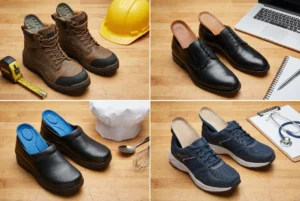
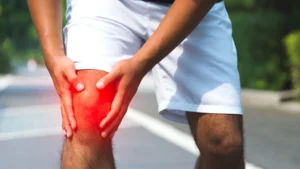
The Walking Economy — How Energy Efficient Walking Footwear Boosts Your Daily Energy
If you’re dragging through the day, don’t blame your motivation yet. Start with your feet. The right energy efficient walking footwear can completely change how your body feels and performs from morning to night. When your shoes are designed to support proper alignment, absorb impact, and reduce wasted effort with every step, you instantly save energy and move more efficiently.
At Custom Orthopedic, we help people understand how smarter footwear and custom orthotics improve walking mechanics, reduce fatigue, and boost daily mobility. In this article, you’ll learn what makes footwear truly energy efficient, how the wrong shoes drain your strength, and how to choose support that keeps you moving with less effort and more power throughout the day.
Key Takeaways:
- Proper footwear enhances comfort, reducing fatigue and promoting longer walking durations.
- Quality shoes provide better support and alignment, which can improve overall energy levels throughout the day.
- Investing in appropriate footwear can lead to improved posture and reduced risk of injury, contributing to greater daily activity and energy efficiency.
The Impact of Footwear on Energy Levels and Efficiency

Your footwear plays a significant role in how energetic you feel throughout the day. High-quality shoes designed with your foot’s natural biomechanics in mind can reduce fatigue and increase overall well-being. When you choose the right pair, you’ll notice improved comfort, which allows you to engage in daily activities with greater stamina. Conversely, poor footwear can lead to discomfort and inefficiency, draining your energy reserves quickly. Investing in the right footwear is not just about style; it’s a practical step towards boosting your daily energy levels.
Understanding Footwear Technology
Modern footwear technology incorporates materials and designs that enhance support, comfort, and durability. Features like cushioning systems, moisture-wicking fabrics, and adaptive fits work together to reduce strain on your feet and legs. Brands leverage advanced research in material science to create shoes that respond to each step, absorbing impact and providing the necessary support where you need it most. As you wear these innovative designs, you harness the benefits of cutting-edge technology to maintain your energy throughout the day.
The Science Behind Walking Efficiency
Walking efficiency is fundamentally tied to the type of footwear you choose. Research indicates that shoes with proper arch support and alignment can enhance your gait and reduce the energy required to walk. Studies found that well-designed footwear can decrease the metabolic cost of walking by up to 14%, allowing you to sustain your activity longer without fatigue. This efficiency comes from a combination of shock absorption during heel strike, optimal energy return with each push-off, and reduced muscle strain, culminating in a more energized daily experience.
Types of Footwear for Everyday Walking
Choosing the right footwear for your daily activities is important for your comfort and energy levels. Different types of shoes serve unique purposes, and selecting the appropriate style helps sustain your energy throughout the day.
- Running shoes
- Walking shoes
- Crossover trainers
- Casual sneakers
- Sandals or flip-flops
Any of these choices can enhance your walking experience when suited to your needs and preferences.
| Type of Footwear | Purpose |
| Running shoes | Designed for speed and agility |
| Walking shoes | Provide support for prolonged walking |
| Crossover trainers | Versatile for various activities |
| Casual sneakers | Stylish option for daily wear |
| Sandals | Ideal for warm weather comfort |
Athletic vs. Casual Footwear
Athletic footwear is engineered for performance, offering features such as cushioning, arch support, and breathability. In contrast, casual shoes prioritize style while providing moderate comfort. If you walk frequently, athletic shoes will likely help reduce fatigue and prevent injury, whereas casual options might be less supportive during long walks.
The Role of Insoles and Support
Investing in quality insoles can drastically improve your comfort by providing additional support tailored to your foot type. Custom orthotics or cushioned insoles reduce pressure on your joints and improve alignment. This prevents fatigue and enhances your overall walking experience, especially during extended periods. The right insoles can transform ordinary footwear into a supportive ally, helping you stay energized throughout your day.
Different foot shapes and walking patterns require varying levels of support. For instance, if you have flat feet or high arches, selecting insoles with adequate cushioning and arch support can significantly mitigate discomfort. Popular brands like Superfeet or Dr. Scholl’s offer a range of options tailored to specific needs, ensuring you find the perfect match for your footwear. With the correct insoles, you can enhance shock absorption and maintain posture, improving your overall walking efficiency. This ultimately leads to a more enjoyable walking experience and helps you sustain your daily energy levels.
Choosing the Right Footwear for Your Lifestyle

Your footwear selection can significantly impact how you feel throughout your daily activities. Choosing shoes that align with your lifestyle enhances comfort and boosts your energy levels, allowing you to move seamlessly from one activity to another without fatigue.
Assessing Your Daily Activities
To find the perfect footwear, analyze your typical daily routines. Consider whether you spend more time engaged in sedentary tasks, walking, or standing. Additionally, take into account the environments you frequent, like office settings, outdoor adventures, or casual outings. Understanding these factors helps you select footwear that meets your specific needs.
Tips for Selecting Footwear
When selecting shoes, focus on fit, support, and purpose. Always ensure your shoes fit snugly without being restrictive, as this prevents blisters and discomfort. Look for cushioning and arch support tailored to your foot type, and choose footwear designed for the activities you’ll perform. Several qualities indicate suitable shoes:
- Opt for breathable materials.
- Check for shock absorption technology.
- Select a design that complements your personal style.
- Thou should not underestimate the value of proper insulation in colder climates.
Additionally, prioritizing quality over price ensures longevity and durability. Evaluate shoes based on brand reputation and customer reviews. Visiting specialty stores can provide personalized guidance from footwear experts. Consider trying on shoes in the afternoon when your feet are slightly swollen for a more accurate fit. Supportive footwear will enhance your overall experience:
- Look for styles that provide heel stability.
- Choose shoes with removable insoles for customization.
- Pay attention to the sole type suited for your walking surface.
- Thou may benefit from investing in orthotic inserts for additional support.
The Connection Between Footwear and Physical Health
Your footwear plays a pivotal role in your overall physical health. Shoes that fit well and provide adequate support can prevent pain and discomfort, allowing you to engage fully in your daily activities. Proper footwear can also help align your body, enhancing your movement efficiency and minimizing stress on joints, ultimately impacting your long-term health and well-being.
Psychological Benefits of the Right Footwear
The right footwear does more than just provide comfort; it significantly impacts your mental well-being. When you slip into shoes designed to support your feet and enhance your posture, you’ll likely notice improvements in your overall mood. The right pair can boost your energy levels, reduce fatigue, and make daily tasks feel less burdensome, allowing you to engage more fully with your surroundings and elevate your overall happiness.
Mood Enhancement and Motivation
Your choice of footwear can directly influence your mood and motivation levels. Research shows that comfortable, stylish shoes can enhance your self-esteem, leading you to feel more optimistic throughout the day. When your feet feel good, it’s easier to tackle challenges, and you may find yourself more inclined to take on new projects or social interactions, fostering a positive cycle of productivity and engagement.
Building Confidence Through Comfort
Wearing shoes that prioritize comfort allows you to focus on tasks without the distraction of discomfort or pain. This comfort translates to greater self-assurance in both personal and professional settings, as you are less preoccupied with your feet. Studies have shown that individuals wearing supportive shoes tend to exhibit stronger body language and communicate more effectively, contributing to a lasting impression on others.
When you opt for footwear that fits well and provides ample support, you’ll notice an immediate shift in how you carry yourself. Comfort leads to poise; without the nagging ache from poorly fitting shoes, you can walk taller and approach interactions with assurance. Additionally, your choice of stylish yet comfortable shoes not only benefits your feet but also reflects a keen sense of self-care, creating an image of confidence in the eyes of those around you. This newfound confidence can encourage you to embrace opportunities and tackle challenges, reinforcing a positive feedback loop that enhances both your personal and professional life.
Maintenance and Care for Optimal Performance
To ensure your footwear continues to deliver the energy and support you rely on, proper maintenance and care are crucial. Regular cleaning, appropriate storage, and timely replacement can extend the life of your shoes, allowing you to maximize their performance and comfort. A few simple practices can make a significant difference in how your shoes feel on your feet and how long they last.
Cleaning and Storing Your Footwear
Cleaning your footwear should be a routine practice to maintain hygiene and appearance. Use a soft brush or cloth to remove dirt and debris, and opt for water and mild soap for deeper cleans. Proper storage is equally important; avoid leaving shoes in damp or excessively hot environments. A cool, dry place where they can breathe ensures they remain in optimal condition for your next outing.
When to Replace Your Shoes
Monitoring the condition of your shoes is vital. Most walking shoes should be replaced every 300 to 500 miles, but regular inspections are necessary. Look for worn-out soles, loss of cushioning, and visible damage. If you notice discomfort after wearing them or a decline in your energy levels, it’s likely time for a new pair.
Tracking your mileage can help you gauge when to replace your shoes effectively. For instance, if you walk about five miles a day, replace your shoes every two to three months. Additionally, pay attention to performance; if you start experiencing foot pain or fatigue that you didn’t have before, this is a clear indicator that your shoes have lost their support. Investing in a fresh pair not only protects your feet but also enhances your overall walking experience.
The Final Step in Choosing Energy Efficient Walking Footwear
Now that you see how the right footwear influences your daily energy, it’s clear why choosing energy efficient walking footwear isn’t just a comfort upgrade—it’s a performance upgrade. The right support reduces fatigue, improves posture, and helps every step feel lighter and more efficient.
At Custom Orthopedic, we specialize in matching patients with footwear and custom orthotics that maximize walking efficiency and long-term comfort. If you want more energy, fewer aches, and better mobility throughout the day, start with what’s on your feet.
Choose wisely, invest in proper support, and let your footwear work for you, not against you. The right pair can transform how you move, feel, and live.
FAQ: Energy Efficient Walking Footwear Explained
Q: How does the right footwear contribute to increased daily energy levels?
A: The right footwear provides proper support and cushioning, which can minimize fatigue and discomfort during daily activities. A well-designed shoe helps distribute body weight evenly, reducing strain on the feet and joints, leading to less tiredness and increased overall energy throughout the day.
Q: What features should I look for in shoes to enhance my walking experience?
A: Look for shoes that offer arch support, adequate cushioning, and a breathable upper material. A lightweight design and non-slip outsole are also important to enhance stability and comfort, allowing for a more enjoyable walking experience and boosting energy levels.
Q: Can wearing the wrong shoes negatively affect my energy levels?
A: Yes, wearing improper footwear can lead to discomfort, blisters, and pain, which can drain energy significantly. Inadequate support may cause poor posture and greater fatigue, making it vital to choose shoes that fit well and provide the necessary support for daily activities.