
That sharp, stabbing pain when you take your first steps in the morning isn’t just bad luck—it’s often plantar fasciitis, one of the most common causes of heel pain. The plantar fascia, a thick band of tissue that supports your arch, becomes inflamed from overuse, poor footwear, or long hours on your feet. In this article, we’ll break down what causes heel pain in the morning, how to recognize it early, and the most effective ways to treat and prevent it—including when to consider custom orthotics for lasting relief.
Understanding Heel Pain
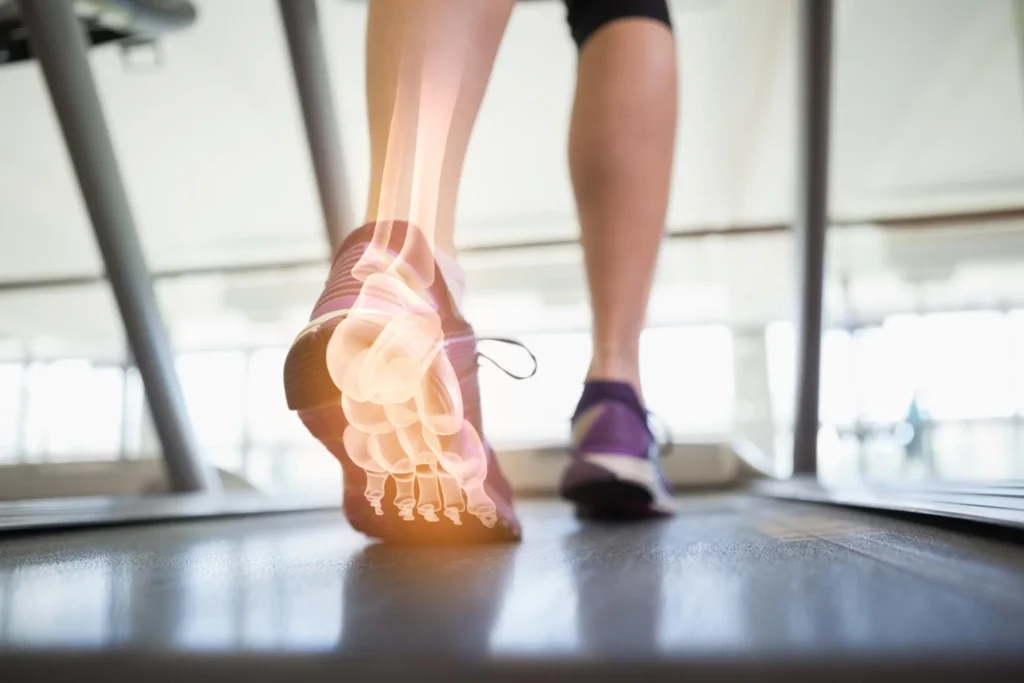
Heel pain can significantly impact your daily activities, often stemming from various underlying causes. Your heel’s structure, including bones, tendons, and ligaments, is complex, making it susceptible to injury and strain. Understanding the mechanics and factors leading to heel pain can guide you toward effective management and relief. Delving into common causes and symptoms can help you identify when professional intervention is necessary.
Common Causes
Several factors can lead to heel pain, including plantar fasciitis, Achilles tendonitis, and heel spurs. Overuse, improper footwear, and high-impact activities often exacerbate these issues, particularly in athletes or those with sedentary jobs. Additionally, conditions like arthritis or nerve entrapment can contribute to discomfort. Identifying these underlying causes is imperative for tailoring your treatment plan.
Symptoms to Watch For
Recognizing the symptoms of heel pain helps you take prompt action. Common indicators include sharp pain in the heel, stiffness upon waking or after prolonged sitting, and swelling. You might also notice pain increasing with activity or prolonged standing. These signs often signal conditions that could worsen without proper care.
In particular, sharp pain typically intensifies in the morning or after long periods of inactivity and may feel like a stabbing sensation with the first steps you take. You might also experience tenderness or swelling around the heel and arch, which can interfere with your typical activities. If these symptoms persist or worsen, consulting a healthcare professional is advisable to prevent further complications. Staying aware of these signs allows you to seek timely solutions and regain your mobility.
Diagnosis and Assessment
A thorough diagnosis is necessary to effectively manage heel pain, as various conditions can lead to similar symptoms. You may be asked about your medical history, daily activities, and specific pain characteristics. A physical examination will focus on tenderness, swelling, and range of motion in your heel and foot. Your doctor will consider factors like age, activity level, and any previous injuries to pinpoint the underlying issue.
Consulting a Specialist
If your heel pain persists despite conservative treatment, consulting a specialist, such as a podiatrist or orthopedic surgeon, becomes important. These professionals have extensive training in diagnosing and treating foot and ankle conditions, enabling them to recommend personalized treatment options suited to your specific needs.
Diagnostic Tests
Diagnostic tests, including X-rays, MRIs, and ultrasounds, help visualize the structures of your foot and identify the sources of pain. Your specialist will determine which tests are most appropriate based on your symptoms and physical examination findings.
X-rays are often the first step as they can reveal bone abnormalities, fractures, or signs of arthritis. MRIs provide detailed images of soft tissues, such as ligaments and tendons, revealing issues like plantar fasciitis or tears. Ultrasounds are beneficial for assessing inflammation and conditions like bursitis or tendonitis. By utilizing these imaging techniques, you’ll receive a precise diagnosis, allowing for targeted treatment that addresses your specific heel pain. Proper assessment can significantly expedite your recovery process and restore your mobility.
Treatment Options
When dealing with heel pain, a variety of treatment options are available to help you find relief. These can be classified into conservative and advanced interventions, each tailored to your specific condition and severity of pain. Consulting with a healthcare professional can help determine the best path for your recovery.
Conservative Approaches
Conservative approaches often include rest, ice, and over-the-counter anti-inflammatory medications to reduce pain and swelling. You might also benefit from specific stretching exercises and supportive footwear that enhance comfort and stability while you heal. Utilizing orthotic inserts can provide additional support during daily activities.
Advanced Interventions
If conservative measures do not yield results, advanced interventions might be necessary. These options are designed for more persistent heel pain and may include physical therapy, corticosteroid injections, or shockwave therapy. Surgical options are available, but they are generally considered only after exhausting all other treatments.
| Physical therapy | Customized exercise programs to strengthen foot muscles. |
| Corticosteroid injections | Provide targeted relief by reducing inflammation in the affected area. |
| Shockwave therapy | Stimulates healing through sound waves to damage tissue. |
| Surgery | Considered as a last resort to address underlying structural issues. |
Advanced interventions can offer significant relief, particularly when conservative methods fail. For instance, studies have shown that approximately 70-80% of patients experience substantial pain reduction following shockwave therapy. If you opt for surgery, expect a recovery period but also significant long-term benefits. Consulting with your healthcare provider ensures you explore the most effective options based on your unique condition.
- Consultation with a specialist
- Assessment of treatment effectiveness
- Personalized recovery plans
- Consideration of lifestyle changes
| Option | Description |
| Rest and Ice | Initial response to inflammation and pain. |
| Supportive Footwear | Reduces impact on the heel while walking. |
| Physical Therapy | Improves flexibility and strength in the foot. |
| Corticosteroid Injections | Targets inflammation directly at the source. |
At-Home Relief Techniques
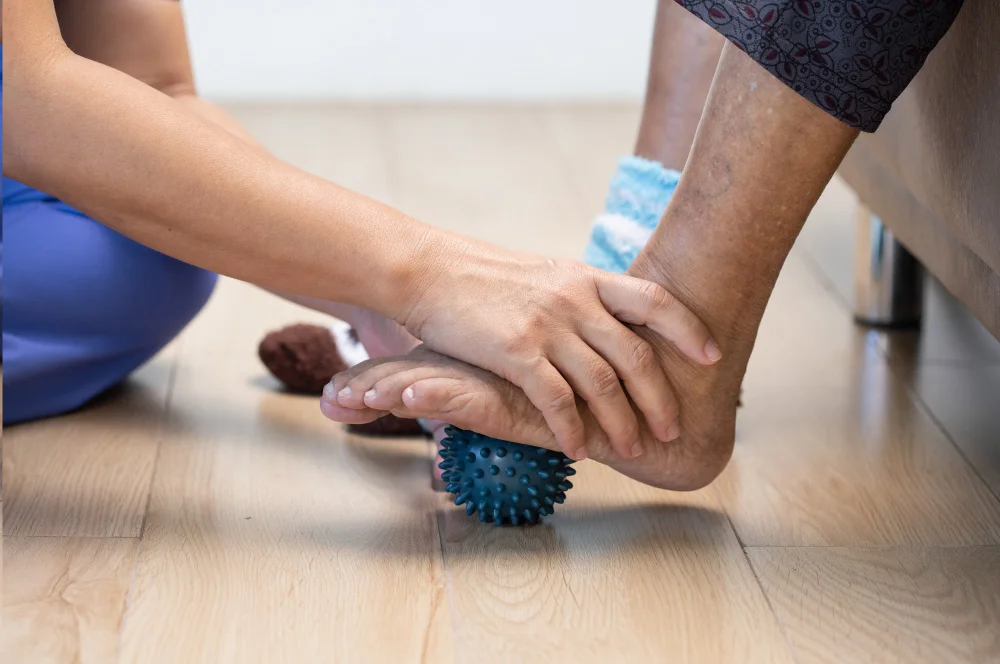
Several effective methods can help alleviate heel pain in the comfort of your home. Incorporating rest, ice therapy, and effective stretching can significantly reduce discomfort. Additionally, try implementing appropriate exercises that can strengthen and increase flexibility in your feet, which leads to better long-term relief.
Stretching and Strengthening Exercises for Heal Pain
Incorporating specific stretching and strengthening exercises into your routine can greatly benefit your heel health. Focus on calf stretches, plantar fascia stretches, and foot strengthening exercises. Dedicate at least 15 minutes daily to these practices; this can enhance flexibility and alleviate pain, ensuring smoother movements while walking or standing.
Footwear and Orthotics
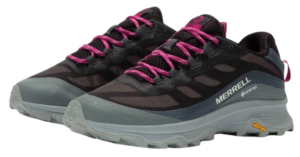
Choosing the right footwear plays a vital role in managing heel pain. Opt for shoes with arch support, cushioning, and a proper fit. Over-the-counter orthotic insoles can provide additional support and help distribute weight more evenly across your feet, minimizing pressure on those painful areas.
When dicking out footwear, prioritize shoes with thicker soles and elevated heels to cushion your heel and reduce strain. Avoid flat shoes or high heels, which can exacerbate your condition. Custom orthotics, tailored to your specific foot shape, can offer superior alignment and distribution of pressure, enhancing your walking comfort significantly. Many users report reduced foot fatigue and improved stability when utilizing these tailored solutions, making them a worthwhile investment for long-term heel health.
Lifestyle Modifications
Incorporating lifestyle modifications is necessary for effectively managing heel pain. By making small, consistent changes to your daily routine, you can significantly reduce discomfort and promote healing. Whether it’s adjusting your work environment, rethinking your footwear choices, or incorporating stretching exercises throughout the day, these proactive steps can lead to pain-free mornings and improved overall foot health.
Activity Adjustments
Adapting your daily activities can play a vital role in reducing heel pain. Consider switching high-impact exercises like running with low-impact alternatives such as swimming or cycling. You should also incorporate regular breaks during prolonged standing or walking to allow your feet to recover, ultimately minimizing strain on the heel.
Weight Management
Achieving and maintaining a healthy weight can greatly impact heel pain management. Excess weight places additional stress on your feet, exacerbating discomfort and prolonging healing times. A targeted approach combining a balanced diet with regular, low-impact exercise can help you shed excess pounds and alleviate pressure on your heels.
Weight management is not only about calories but also about nutritional balance. Focus on a diet rich in whole foods, including plenty of fruits, vegetables, lean proteins, and healthy fats. Pair this with regular physical activity that suits your comfort level, such as walking or yoga. Studies show that losing even a small percentage of your body weight can significantly reduce the load on your feet, resulting in meaningful pain relief and enhanced mobility over time.
Prevention Strategies

Integrating effective prevention strategies into your daily routine can significantly reduce the risk of heel pain. By focusing on footwear choices, surface types, and consistent exercise regimens, you can maintain optimal foot health. Prioritize supportive shoes with proper arch support and cushioning, and be mindful of transitioning into new activities gradually to prevent strain on your feet.
Warm-Up Routines
Before engaging in any physical activity, performing a warm-up routine is vital to prepare your feet and lower limbs. Simple dynamic stretches, such as ankle circles and calf raises, can enhance flexibility and circulation. Aim for at least 5-10 minutes of gentle movements to increase blood flow to your heels and surrounding muscles, which can mitigate the risk of injury.
Long-Term Foot Care to Prevent Heal Pain
Incorporating long-term foot care practices into your lifestyle is key to maintaining healthy feet. This includes regular foot inspections for any abnormalities, keeping toenails trimmed, and moisturizing the skin to prevent dryness and cracking. Additionally, consider periodic visits to a podiatrist for professional assessments, which can help detect potential issues before they escalate.
Long-term foot care should be approached as an integral part of your overall health regimen. Invest in quality footwear designed for your specific activities, as proper fit and support can make a considerable difference. Incorporate foot strengthening exercises, such as toe curls and resistance band stretches, to enhance stability and reduce discomfort. Regularly adjusting your routines based on any discomfort or wear can help prevent future heel pain and keep your feet functioning optimally.
Conclusion: Finding Relief from Heel Pain in the Morning
If heel pain in the morning is slowing you down, the right combination of self-care and professional treatment can make all the difference. Gentle stretching, supportive footwear, and consistent rest help reduce strain on the plantar fascia—but lasting relief often comes from addressing the root cause. At Custom Orthopedic in Edmonton, we design custom orthotics that provide targeted support and real comfort, so every step feels easier. Don’t start your day in pain—start it supported.