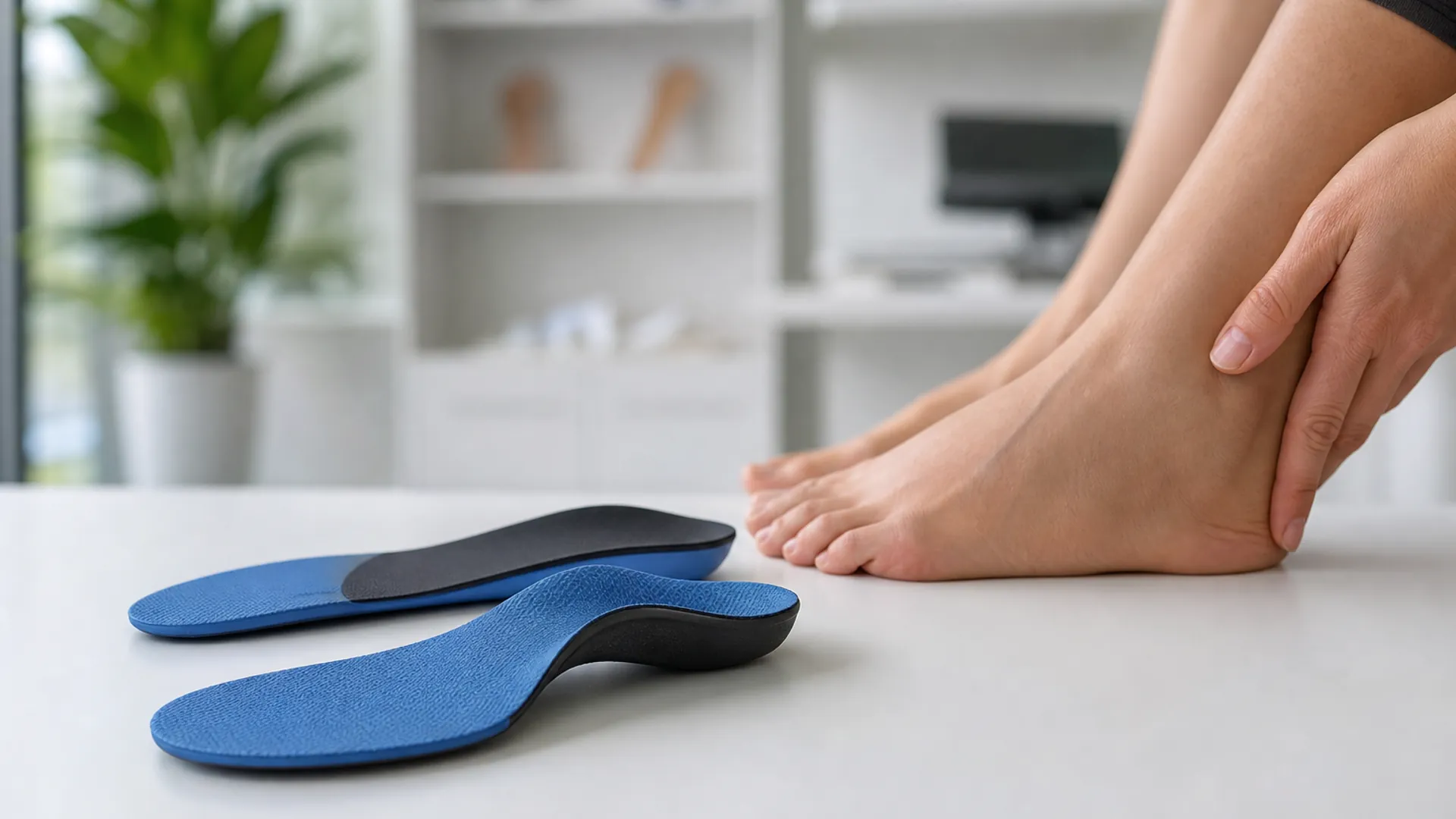
Chronic foot pain can feel like a constant roadblock, turning simple activities like a walk through the ICE District or a day of shopping at Unity Square into a painful ordeal. Many people reach for generic, over-the-counter insoles hoping for relief, only to find the comfort is temporary and the underlying problem remains. If you’re tired of quick fixes that don’t last, it might be time to explore a solution designed specifically for your body: custom orthotics.
Unlike the one-size-fits-all inserts found in drugstores, custom orthotics are medical devices prescribed and crafted to address your unique foot structure and biomechanics. They are the difference between wearing someone else’s glasses and having a prescription lens tailored perfectly to your vision. This guide will walk you through what custom orthotics are, how they work, and the process of getting them right here in Edmonton, empowering you to take a confident step toward lasting comfort and mobility.
What are custom orthotics and how do they work
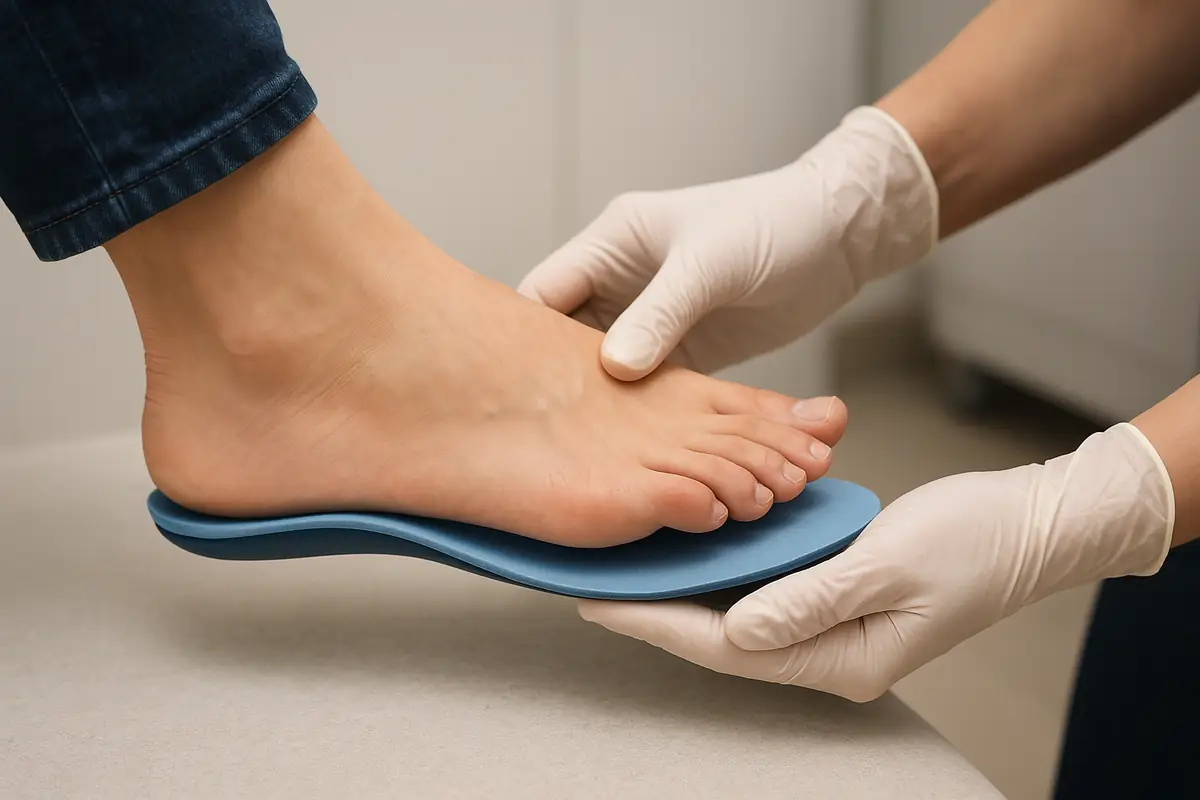
Custom orthotics are much more than simple arch supports or cushioned insoles. They are highly specialized medical appliances, prescribed by a healthcare professional like a Canadian Certified Pedorthist, to correct specific biomechanical imbalances in your feet. Think of them as a tool that helps your feet function as they were meant to, reducing strain not just on your soles but on your entire musculoskeletal system.
The primary function of a custom orthotic is to support and realign the foot and lower leg. Your feet are the foundation of your body. If that foundation is unstable—due to issues like flat feet, high arches, or improper joint movement—it can create a chain reaction of stress that travels up through your ankles, knees, hips, and even your lower back.
Custom orthotics work by:
- Redistributing pressure: They evenly distribute your body weight across the surface of your feet, relieving pressure from sore spots like the ball of the foot, the heel, or bunions.
- Providing targeted support: They are built to support the specific arches of your foot, preventing them from collapsing (pronation) or being too rigid (supination).
- Correcting alignment: By guiding your foot into a more neutral position, they improve your gait and reduce the rotational stress on your knees and hips.
- Absorbing shock: While cushioning is not their only job, they are made from materials that help absorb the impact of walking and running on hard surfaces, protecting your joints.
Each device is fabricated from a precise 3D mold or digital scan of your feet, ensuring every curve and contour is accounted for. This personalized approach is what allows them to correct the root cause of your discomfort, rather than just masking the symptoms.
The key differences between custom orthotics and store bought insoles
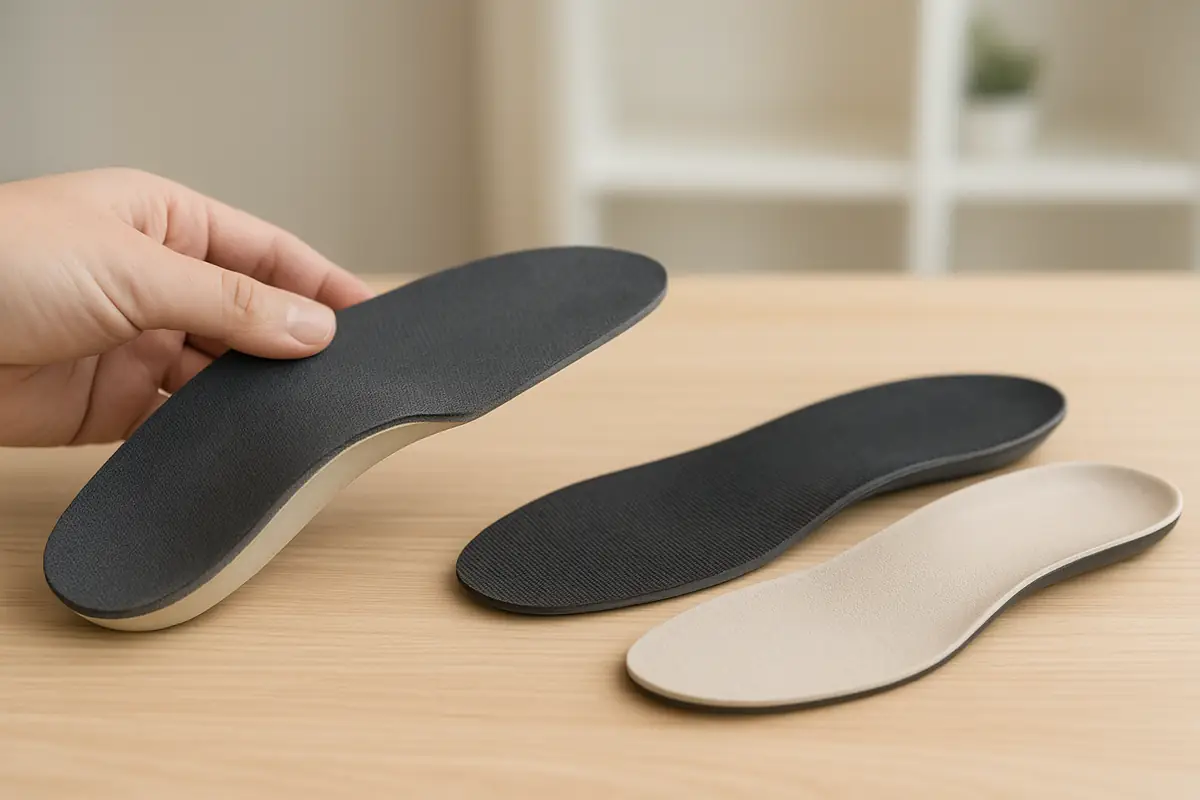
Navigating the world of foot supports can be confusing. Store shelves are filled with a wide variety of insoles, gels, and arch supports that promise immediate relief. While these products can offer temporary cushioning, they are fundamentally different from a prescribed custom orthotic. Understanding these differences is key to choosing the right solution for your long-term health.
Over-the-counter inserts are mass-produced to fit an average foot shape. They primarily provide extra cushioning and basic, non-specific arch support. Conversely, custom orthotics are corrective devices built from a precise impression of your feet, designed to address your specific biomechanical needs as determined by a professional assessment.
Here is a detailed breakdown of the differences:
| Feature | Over-the-Counter Insoles | Custom Orthotics |
|---|---|---|
| Assessment | Self-diagnosed based on general discomfort | Based on a thorough biomechanical and gait analysis by a certified professional |
| Design | Generic, based on shoe size | Molded or scanned for a precise match to your unique foot structure |
| Purpose | General cushioning and minimal support | To correct specific foot abnormalities and improve overall body alignment |
| Materials | Often made of foam, gel, or soft plastics | Made from durable, prescription-grade materials like polypropylene, graphite, or specialized foams |
| Support | Provides passive, non-specific arch support | Delivers functional control and targeted support to realign foot mechanics |
| Durability | Typically lasts a few months to a year | Designed to last for several years with proper care |
| Cost | Low initial cost | Higher initial investment for a long-term medical solution |
While a generic insert might provide some relief for tired feet after a long day, it cannot correct the underlying structural issues that cause chronic pain. A custom orthotic is an investment in your health, designed to provide functional correction that can alleviate pain throughout your body and prevent future problems from developing.
Who can benefit from custom orthotics
Because custom orthotics address the foundational mechanics of the body, a wide range of people can benefit from them—not just those with diagnosed foot conditions. If you experience persistent discomfort in your feet, ankles, or even further up your body, it could be a sign that your foot alignment is contributing to the problem.
You might be a good candidate for custom orthotics if you notice any of the following signs:
- Persistent pain: You experience chronic pain in your heel, arch, or the ball of your foot that doesn’t resolve with rest.
- Leg and back discomfort: You have recurring pain in your shins, knees, hips, or lower back, which can often be traced back to poor foot mechanics.
- Uneven shoe wear: You notice that the soles of your shoes wear out quickly or unevenly on one side, indicating an imbalanced gait.
- Activity-related pain: Walking, running, or standing for long periods causes significant foot fatigue or pain.
- Visible foot issues: You have noticeable conditions like bunions, hammertoes, flat feet (pes planus), or extremely high arches (pes cavus).
Beyond these general symptoms, custom orthotics are a proven treatment component for many specific medical conditions. They can provide significant relief and functional improvement for individuals dealing with:
- Plantar fasciitis: By supporting the arch and cushioning the heel, orthotics can reduce tension on the plantar fascia ligament.
- Metatarsalgia: They can offload pressure from the painful ball of the foot.
- Achilles tendonitis: By correcting alignment, they can reduce the strain on the Achilles tendon.
- Diabetic foot issues: Accommodative orthotics can help prevent pressure sores by distributing weight away from sensitive areas.
- Arthritis: They can improve joint alignment and provide cushioning to reduce pain in arthritic foot and ankle joints.
Finally, your lifestyle plays a major role. People in professions that require standing all day, such as nurses, teachers, and retail workers in places like the Downtown Edmonton core, often find that custom orthotics dramatically reduce end-of-day fatigue and pain. Similarly, athletes and active individuals use them to enhance performance, improve efficiency, and prevent injuries.
The process of getting your custom orthotics in Edmonton
Getting fitted for custom orthotics is a detailed and collaborative process focused on understanding your body and your goals. At a clinic that prioritizes education, you won’t just be sold a product; you’ll be guided through each step so you understand the “why” behind your treatment plan.
Step 1: The initial consultation and assessment Your journey begins with a comprehensive evaluation by a Canadian Certified Pedorthist. This is more than just a quick look at your feet. The appointment involves:
- A detailed discussion: You’ll talk about your symptoms, your lifestyle, your activity level, and the types of footwear you typically wear.
- A biomechanical analysis: The pedorthist will examine your feet, ankles, and legs, checking your range of motion, foot structure, and identifying any abnormalities.
- A gait analysis: You will be asked to walk so the specialist can observe how your feet and body move together. This helps pinpoint the exact nature of any mechanical inefficiency or imbalance.
This assessment is crucial. It ensures that the orthotics are designed to solve your specific problem. The Custom Orthopedic team is dedicated to this educational approach, ensuring you leave the assessment with a clear understanding of your foot health.
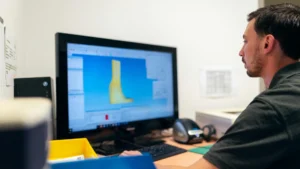
Step 2: Casting your feet Once the assessment is complete, a precise impression of your feet is taken. This is what makes the orthotic truly custom. The pedorthist will capture a 3D model of your feet in their ideal, corrected position. This is typically done using one of two methods:
- Plaster or foam box casting: You place your foot into a box of crushable foam or have it wrapped in plaster bandages to create a physical mold.
- 3D digital scanning: A high-resolution scanner captures a detailed digital map of your foot’s surface.
Both methods are highly accurate and provide the detailed blueprint needed to fabricate a device that matches your anatomy perfectly.
Step 3: Manufacturing and material selection The mold or scan of your feet is sent to a specialized laboratory. There, technicians use the prescription from your pedorthist to craft your orthotics. The materials are chosen based on your specific needs. For example, a more rigid material like graphite or polypropylene might be used for controlling motion, while a softer, more accommodative material might be chosen for a diabetic or arthritic foot that needs pressure relief.
Step 4: The fitting and follow up After a couple of weeks, you’ll return to the clinic for a fitting appointment. Your pedorthist will place the new orthotics in your shoes and ensure they fit correctly and feel comfortable. They will check your alignment and make any immediate minor adjustments needed.
You will also receive instructions on how to break them in gradually. It’s normal for your body to need some time to adapt to the new support. A key part of the service is ongoing care. Reputable clinics offer follow-up appointments and free minor adjustments to ensure your orthotics continue to provide optimal support as you wear them.
Integrating orthotics into your daily life for foot support
Receiving your custom orthotics is the first step. Successfully integrating them into your daily routine is what unlocks their full benefit. This involves choosing the right shoes, understanding the adjustment period, and performing simple maintenance.
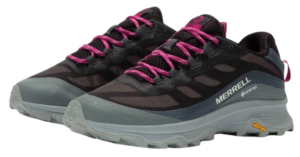
Finding the right footwear Custom orthotics are most effective when paired with supportive, well-fitting shoes. An orthotic can’t do its job properly in a flimsy, unsupportive shoe. When shopping for footwear, look for these key features:
- A removable insole: This is essential to make room for your custom orthotic.
- A firm heel counter: The back of the shoe should be sturdy to help control heel motion.
- Adequate depth and width: The shoe needs to be deep and wide enough to accommodate both your foot and the orthotic without being too tight.
- Torsional stability: The shoe shouldn’t twist easily if you try to wring it like a towel.
Many brands now design stylish and comfortable orthopedic shoes in Edmonton that are specifically made to work with custom devices. Investing in a few good pairs of shoes will make a significant difference in your comfort and the effectiveness of your treatment.
The adjustment period Your body has likely been compensating for your foot imbalance for years. When you first start wearing your orthotics, your muscles, ligaments, and bones need time to adapt to the new, corrected alignment. It’s common to feel a new awareness of your feet or even some minor muscle aches initially.
To ease into it, follow a gradual break-in schedule. Start by wearing your orthotics for just one or two hours on the first day. Add an additional hour of wear time each subsequent day. Within one to two weeks, you should be able to wear them comfortably all day long. If you experience any sharp or persistent pain, stop wearing them and contact your pedorthist.
Care and maintenance Follow your provider’s cleaning and storage instructions for your custom orthotics. Bring your devices and usual footwear to follow-up visits so the fit and condition can be reviewed.
Helpful Resources for Custom Orthotics
Conclusion for Custom Orthotics Foot Support in Edmonton
Choosing custom orthotics is easier when you know what to expect at your first pedorthist appointment. Our guide to shoes for custom orthotics explains how width, depth and fit work together. Custom Orthopedic can explain the options in plain language, show how support fits into your shoes and routine, and help you decide whether custom care makes sense. When you are ready for local guidance, you can contact Custom Orthopedic to ask about comfort, fit, and next steps.