
A Beginner’s Guide to Your First Pedorthist Appointment in Edmonton

Taking the first step toward resolving chronic foot, knee, or back pain often begins with booking a professional consultation. However, many people hesitate to schedule a visit simply because they do not know what happens behind closed clinic doors. If you are tired of living with discomfort, understanding the evaluation process can significantly reduce your anxiety.

A professional assessment is a collaborative, educational experience designed to uncover the root cause of your mobility issues. Whether you spend your days walking through Downtown Edmonton, standing for long shifts in the ICE District, or simply want to enjoy a pain-free stroll through your neighborhood or Edmonton River Valley, a proper biomechanical assessment provides the foundation for lasting relief.

By learning about the consultation process in advance, you can arrive prepared, ask the right questions, and take an active role in your healthcare journey. This guide will walk you through every stage of the consultation process, how to prepare, and how a specialist analyzes your unique gait. Ultimately, knowing what to expect empowers you to make informed decisions about your long-term foot health.

Why understanding what to expect at a pedorthist appointment matters

what to expect at a pedorthist appointment - Why understanding what to expect at a pedorthist appointment matters
Why understanding what to expect at a pedorthist appointment matters

Visiting a new clinic can feel intimidating, especially if you have been living with chronic foot and joint pain for an extended period. Many patients hesitate to book because they worry about being rushed through their visit or pressured into buying products without a clear explanation. That is why understanding exactly what happens during a pedorthist appointment is essential for giving you peace of mind.

At Custom Orthopedic, we place patient education front and center. Rather than simply handing you an insert, your specialist will take the time to explain your unique foot mechanics, how your joints interact, and exactly why certain movements trigger your pain. Together, you will collaborate to develop a comprehensive treatment plan tailored specifically to your lifestyle and needs.

Furthermore, knowing what to expect allows you to maximize the value of your time in the clinic. When you understand the importance of preparing your medical history and current footwear in advance, your appointment flows smoothly without missing details. Ultimately, this proactive approach leads to a much more accurate biomechanical assessment, better footwear recommendations, and a faster path back to comfortable mobility.

Choosing What To Expect At A Pedorthist Appointment With Confidence

what to expect at a pedorthist appointment - Choosing What To Expect At A Pedorthist Appointment With Confidence
Choosing What To Expect At A Pedorthist Appointment With Confidence

Preparation is the foundation of a successful clinical assessment. While your specialist will guide you through the physical evaluation, the information and items you bring to the clinic play a massive role in the final treatment plan. Taking a few days before your appointment to gather your thoughts, documents, and footwear will ensure that no important details are overlooked.

You can also explore How to Choose Compression Socks in Edmonton With Confidence for more context.

If you want to verify the credentials of your specialist before your visit, you can consult the Pedorthic Association of Canada for professional standards and directories.

Gathering your medical history

Your feet do not exist in isolation from the rest of your body. In fact, systemic health issues often manifest first in the lower extremities. Therefore, you should prepare a brief but comprehensive overview of your medical history before you arrive. Write down any past injuries, even if they happened years ago, such as a sprained ankle or a fractured toe.

In addition, note any previous surgeries on your feet, knees, hips, or lower back. You can review Mayo Clinic foot health guidance to better understand how systemic conditions impact your lower limbs.

You should also be ready to discuss chronic conditions like diabetes, arthritis, or circulatory issues. These conditions heavily influence the type of materials and support structures that will be safe and effective for your feet. Finally, make a list of any medications you currently take, because some can cause swelling or affect your joint health. Having this information readily available allows your specialist to tailor their recommendations to your unique physiological needs.

Selecting the right footwear to bring

One of the most common mistakes new patients make is wearing brand-new shoes to their assessment. While clean shoes look nice, they tell the specialist absolutely nothing about how you walk. Instead, you should bring a selection of your most frequently worn footwear. The wear patterns on the soles, the creasing on the upper materials, and the compression of the insoles provide a visual history of your biomechanics.

Bring the shoes you wear to work, the shoes you use for exercise, and the casual footwear you wear around the house. For example, if you work in a specialized environment, such as a construction site in Westmount or a corporate office in Wîhkwêntôwin, bring your specific work boots or dress shoes. The specialist needs to see the environment where your feet spend the most time. As a result, they can ensure that any recommended treatments will actually fit into your daily life.

Bringing necessary prescriptions or referrals

Depending on your health insurance coverage, you may need a specific prescription or referral from a family physician before your appointment. Check with your insurance provider a few weeks in advance to understand their exact requirements. If you do have a prescription, a referral letter, or recent imaging results like X-rays or MRI reports, bring physical copies with you.

These documents provide valuable context for your specialist. While a pedorthist will conduct their own thorough physical evaluation, having insights from your primary care doctor or orthopedic surgeon helps create a unified approach to your health. If you are unsure about what documentation you need, you can always call the clinic ahead of time to clarify.

The steps of a comprehensive biomechanical assessment

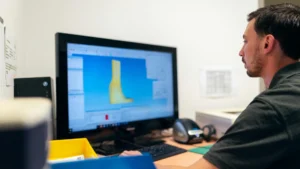
The core of your visit is the biomechanical assessment. This is a detailed, hands-on evaluation where the specialist investigates how your bones, muscles, and ligaments work together during movement. A proper assessment is never rushed. Instead, it requires careful observation, precise measurements, and a deep understanding of human anatomy.

Discussing your daily activities and pain points

The assessment begins with a detailed conversation. Your specialist will ask you to describe your pain in your own words. They will want to know when the pain started, what time of day it feels the worst, and what activities aggravate it. For example, they may ask if your heels ache when you first step out of bed in the morning, or if your knees throb after walking around the Oliver neighborhood for an hour.

In addition to discussing your pain, the specialist will ask about your daily routine. A person who sits at a desk for eight hours requires a completely different support strategy

Practical Next Steps for What to Expect at a Pedorthist Appointment

If you are considering what to expect at a pedorthist appointment, start by writing down what you already know, what you still need clarified, and which outcome matters most to you. That context helps Custom Orthopedic give practical guidance instead of generic advice. For example, you can ask what the first step involves, what information to bring, how long decisions usually take, and what follow-up may be needed. As a result, the appointment becomes easier to prepare for and easier to compare with other options.

Finding Local Answers: What to Expect from an Edmonton Pedorthist

When you are researching what to expect at a pedorthist appointment, you aren’t just looking for a textbook medical definition—you are trying to solve a practical problem close to home. When your feet or knees hurt, the last thing you want is a generic, one-size-fits-all answer. You want to know what the process looks like in your actual community.

Patients comparing their local options are usually weighing several real-world factors before deciding if booking an appointment is worth it. You are likely asking yourself practical questions like:

  • Timeline and Availability: How quickly can I actually get an appointment, and how long does it take to get my custom orthotics or footwear?
  • Costs and Coverage: How much will this cost out-of-pocket? Will my workplace benefits or health insurance cover the assessment and the products?
  • Convenience and Access: Is the clinic easy to get to? Is there accessible parking so I don’t have to walk several blocks on a painful foot, especially during an Edmonton winter?
  • Service Options: Do they handle everything in-house, or will I have to go somewhere else for the actual manufacturing or adjustments?

The truth is, the “right” answer depends entirely on your personal circumstances, your specific pain points, and your schedule.

This is why local, personalized guidance matters so much. A clinic that understands your community can account for the exact paperwork required by local insurers, the reality of walking in our local climate, and the true timeline of getting you back on your feet. When you know exactly how the process works at a clinic right in your neighborhood, it removes the guesswork and makes taking that first step toward relief much easier.

Making What to Expect at a Pedorthist Appointment Easier to Compare

When you compare options, focus on clarity, communication, experience, availability, and the specific steps involved. Price can matter, but it rarely tells the whole story. In addition, ask what is included, what may require a separate appointment, and what happens if you need help afterward. Custom Orthopedic can walk through those details in plain language so you are not left guessing based on a short website description or a single phone call.

What to Know Before Booking

Before booking, gather the details that will help the conversation move quickly. This may include your main concern, relevant history, current questions, insurance or coverage information, and any deadlines you are working around. Also, write down anything that has confused you while researching online. A short list of questions can make the visit more productive because it keeps the discussion focused on your needs, not just a general overview.

Questions to Ask About What to Expect at a Pedorthist Appointment

Good questions make what to expect at a pedorthist appointment easier to understand. Ask who is eligible, what the process includes, how appointments are scheduled, whether there are documents to complete, and what costs may still apply. If something sounds unclear, ask for an example. Likewise, if you are comparing options for a family member, ask how their age, health needs, schedule, or coverage details may change the next step.

Clear answers help you move forward with more confidence.

How What to Expect at a Pedorthist Appointment Fits Into Long Term Care

Long-term care is not only about one appointment. It also includes understanding what to watch for, when to ask follow-up questions, and how to keep decisions aligned with your health, schedule, and budget. Therefore, what to expect at a pedorthist appointment should be considered as part of a broader plan. Custom Orthopedic can help you understand what matters now, what can wait, and what should be reviewed again if your situation changes.

Cost Timing and Coverage Details

Cost and timing questions are common, especially when coverage, eligibility, or family scheduling is involved. Before you decide, ask what may be covered, what may not be covered, and whether any estimates or confirmations are needed first. In addition, ask how long it usually takes to move from the first conversation to the next practical step. These details reduce surprises and help you plan with a clearer sense of what comes next.

Conclusion for What to Expect at a Pedorthist Appointment

Choosing what to expect at a pedorthist appointment is easier when you know what to expect, which questions to ask, and how the next step fits your needs. Custom Orthopedic can explain the options in plain language, walk through practical details, and help you decide what makes sense for your situation. When you are ready for local guidance, you can contact Custom Orthopedic to ask about availability, timing, and next steps.

More Posts

Send Us A Message