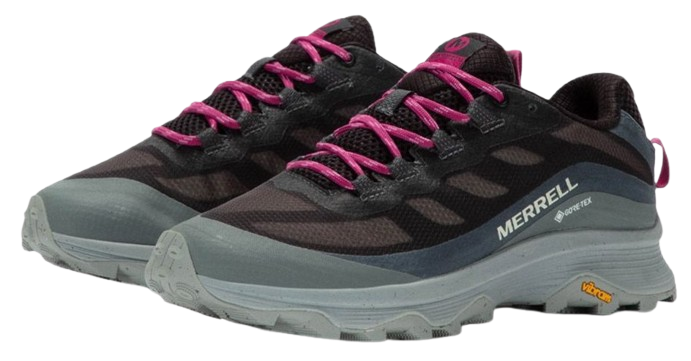
Choosing shoes for custom orthotics can be confusing when a pair feels comfortable in the store but becomes tight as soon as your inserts go inside. You might notice pressure across the top of your foot, crowded toes, or a heel that no longer feels secure.
Before automatically moving up a size, ask a different question: which part of the fit needs to change?
This guide explains the difference between width and depth, how to assess footwear with your orthotics, and what to discuss at a fitting. Whether you are replacing everyday walking shoes or preparing for a return to closed footwear after summer, the aim is a comfortable combination rather than a particular label.
How to Choose Shoes for Custom Orthotics
Start with the orthotics you actually wear, the socks you normally use, and a clear description of the footwear’s purpose.
A custom foot orthotic is an insert made for an individual’s needs. It is not the same product as a custom-made shoe. Ready-made orthopedic footwear may provide useful features such as additional space, adjustable closures, and different widths without being manufactured specifically for one person. Pedorthic Association of Canada
That distinction matters when shopping. Using custom orthotics does not automatically mean you need custom-made footwear.
Instead, ask which available shoe accommodates your foot and prescribed device appropriately. The choice should reflect their fit together, not the assumption that every orthopedic feature is necessary.
For example, bring one pair that works well and another that does not. Comparing them gives the fitter something concrete to assess and helps you explain what you hope to improve.
Wide Shoes vs. Extra-Depth Shoes
Width and depth describe different dimensions. Both affect the space available, but they are not interchangeable.
What Does a Wide Shoe Provide?
A wider fitting offers more room across the foot. It may be useful when the forefoot feels squeezed even though there is enough space beyond the toes.
However, the shape still matters. The widest part of your foot should sit comfortably within the corresponding part of the shoe. A width label cannot replace trying the pair on. FootCareMD
Think about a shoe that feels narrow beside the toes but roomy around the heel. Asking only for “more space” may not communicate the problem. Explain exactly where the pressure occurs.
What Does Extra Depth Mean?
Extra-depth footwear provides additional vertical room inside the shoe, which can help accommodate orthotic inserts or toes that need more space above them. It is not simply another term for a wide fitting. Guy’s and St Thomas’ NHS footwear guidance
Some people need extra width, some need additional depth, and some need both. Ask the fitter to compare those features rather than treating the roomiest-looking pair as the automatic winner.
A useful question is: “Does this shoe give me space where I need it while remaining secure everywhere else?”
Why Shoes Can Feel Tight With Orthotics
An orthotic occupies space inside the shoe. Adding it can change the fit around the arch and elsewhere, particularly when the shoe has limited room or its original cushioning layer remains in place. Pedorthic Association of Canada
Consider an everyday shoe that fits comfortably with its supplied liner. You add your prescribed insert and suddenly struggle to close the laces. The original size label has not changed, but the arrangement inside the shoe has.
That does not establish whether the answer is a different shoe, a different width, or an orthotic adjustment. It establishes that the complete combination needs checking.
When comparing shoes for custom orthotics, describe what happens after insertion. Does the upper press down? Does the heel sit differently? Is the device difficult to position?
Bring those observations to the fitting rather than trying to resolve every problem by purchasing another size online.
Checking Removable Insoles and Interior Space
Removable factory insoles can be useful because they allow the original liner to be replaced with a prescribed insert. Confirm the intended arrangement with your orthotics provider, since devices differ in their construction and coverage. Royal National Orthopaedic Hospital
Do not automatically place a custom orthotic on top of every other layer already inside the shoe.
Ask the fitter to check how the device sits, whether the heel is positioned correctly, and whether there is sufficient room with your foot inside. Then try both shoes, not just the one that is easiest to put on.
Keep any removed factory liners together and note which shoes they belong to. That is particularly useful when you alternate between several pairs.
Shoes for custom orthotics should be evaluated as a complete setup. A removable insole is a helpful feature, but it does not, by itself, confirm that the shoe fits.
Before leaving, practise removing and replacing the device so you can reproduce the demonstrated arrangement at home.
Assessing Toe Room, Heel Fit and Fastenings
If a bunion affects where your forefoot needs room, our guide to shoes for bunions explains toe-box shape and strap placement in more detail.
Take the time to check different areas rather than judging comfort from the first step.
At the front, assess length, width, and vertical clearance. There should generally be around 10 to 13 millimetres beyond the longest toe, and the toes should not be crowded against the upper. Stand and walk during the assessment.
Around the heel, notice whether the shoe holds your foot securely or slips during movement. At the top, the closure should secure the foot without excessive pressure. A deeper toe box and an adjustable upper can address different parts of the fit. OrthoInfo
Ask the fitter to compare options one change at a time. What happens in the same model with a different width? What changes when you try a different shape?
For example, you may prefer a wider forefoot but find the heel too loose in that particular model. That is useful information, not a reason to accept one problem in exchange for another.
Write down the model, size, and width of the successful pair for future reference.
Look for Suitable Support, Not Just Soft Cushioning
The first impression of softness should not be the only consideration.
The Pedorthic Association of Canada identifies heel support, suitable midfoot structure, forefoot flexibility, and adequate toe space as features worth assessing when selecting footwear for orthotics. The appropriate combination depends on the person and the device.
Ask what the fitter is observing as you walk. Does the footwear appear to work with the orthotic? Is it suitable for the activity you described?
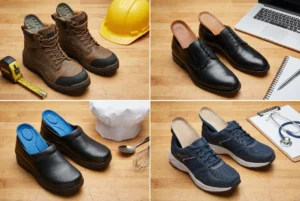
Tell them about your actual routine. There is a difference between choosing a pair for occasional errands and choosing the only shoes you intend to wear through a long working day.
Bring any workplace footwear requirements with you. For sports, discuss the specific activity rather than treating all athletic shoes as interchangeable; different sports place different demands on footwear. FootCareMD
The objective is not to accumulate features. It is to identify which features help your particular shoe-and-orthotic combination work.
What to Check When Shoes Feel Tight With Orthotics
A precise description makes troubleshooting more useful.
Pressure Across the Top of the Foot
Ask whether there is adequate depth and whether the fastening can be adjusted appropriately. Footwear guidance for insoles recommends sufficient width and depth, with adjustable laces and removable liners among the features to consider. Dorset HealthCare NHS Trust
Explain whether the pressure appears as soon as you put the shoe on or develops during wear. Avoid simply tightening or loosening everything without checking the underlying fit.
Crowded Toes Despite Plenty of Length
Ask the fitter to examine the toe-box shape and height. Buying a longer shoe can leave unnecessary room at the front without resolving a mismatch elsewhere. Another width or model may be more appropriate.
A Heel That Slips
Ask for the heel fit to be reassessed with the orthotic in place. Do not assume that a larger size is successful merely because it eliminates forefoot pressure.
An Insert That Seems Difficult to Position
Have the provider check the device and footwear together. Do not trim, heat, bend, glue, or otherwise modify a prescribed orthotic yourself, and do not add improvised padding to force a fit.
These observations help guide an assessment. They do not diagnose the cause of pain or establish that the orthotic itself is faulty.
3 Easy Fit Checks for Shoes for Custom Orthotics
Make the fitting appointment reflect how you will use your shoes for custom orthotics.
Bring your current orthotics, normal socks, and examples of comfortable and uncomfortable footwear. Explain which pair you wear most often and what you need the replacement to do.
Have both feet measured rather than relying on a familiar size. Where practical, shop later in the day, when feet tend to be at their largest. Fit can vary between brands and styles, so treat the size label as a starting point.
Before deciding, confirm three things:
- You have tried both shoes with the intended orthotic arrangement.
- You have stood, walked, and described any pressure or movement.
- You understand how to put the inserts back correctly and what to do if problems arise.
When comparing shoes for custom orthotics, ask whether another style would provide a useful comparison before moving to another length.
When trying shoes for custom orthotics, allow enough time to notice differences. A rushed decision can leave important questions unanswered.
Check the return or exchange policy before purchasing, including whether a short indoor trial is permitted. Keep the packaging and the details of the selected model until you are satisfied with the practical arrangement.
Introducing New Footwear and Reviewing Discomfort
Separate a new shoe fitting from the introduction of a new orthotic.
New orthotics may require a gradual increase in wearing time because they can change how you stand and walk. Follow the schedule given by your clinician. Persistent discomfort or severe pain should prompt you to stop using the problematic device and contact the provider rather than simply pushing through. Guy’s and St Thomas’ NHS Trust
For new shoes used with established orthotics, arrange an initial trial within the retailer’s conditions. Choose a time when you can stop, inspect the fit, and change footwear if needed.
A brief note can make follow-up easier. Record which shoes you wore, approximately how long, and where discomfort occurred. Describe any visible skin changes without trying to assign a diagnosis.
Do not schedule the first meaningful trial immediately before an important event or a full day when you have no alternative footwear available.
When Professional Foot-Care Advice Matters
People with diabetes may have reduced foot sensation and circulation problems that make footwear-related injuries more consequential. Follow your healthcare team’s advice about shoes and foot checks rather than relying only on whether a pair feels comfortable. National Institute of Diabetes and Digestive and Kidney Diseases
Mention reduced sensation, previous foot wounds, or relevant medical footwear recommendations when arranging the fitting. A general shopping checklist should not override an individual care plan.
Also distinguish questions about fit from questions about treatment. A fitter can compare footwear, while a clinician should assess new or changing symptoms.
The purpose of shoes for custom orthotics is to accommodate an appropriate device comfortably. It is not to make unexplained pain, pressure, or skin damage something you have to tolerate.
Common Questions About Shoes for Custom Orthotics
Do I Always Need a Bigger Shoe Size?
No single size change applies to everyone. Some people need a different width or shape rather than extra length. Have the fit assessed with the orthotics in place instead of automatically ordering a size larger.
Do All Orthotics Require Extra-Depth Shoes?
Not necessarily. Several shoe designs can accommodate orthotics through adequate internal room or removable cushioning. The useful question is whether your particular device and foot fit the chosen shoe, not whether the packaging includes one specific term.
Can I Transfer Orthotics Between Different Shoes?
Discuss this with your provider and have the relevant pairs checked. Bring both your everyday footwear and any alternative you hope to use so the conversation is about actual shoes, not an assumed fit.
Should I Replace My Orthotics When Buying Shoes?
Treat those as separate decisions. Ask the provider to review the condition and suitability of your existing devices before committing to replacements. Buying shoes is also an opportunity to raise concerns you have already noticed.
Find Shoes for Custom Orthotics in Edmonton
At Custom Orthopedic & The Walk Shoppe, we emphasize in-person footwear fitting so we can assess the relationship between your shoes, gait, and custom orthotics. Our footwear brands and fitting page introduces our approach to footwear selection, while our custom orthotics page explains our orthotic service.
Bring the inserts you currently use, your usual socks, and footwear that illustrates the problem. Tell us whether your priority is everyday walking, work, or another activity. For children, our school shoes for orthotics fitting guide covers preparation for a school-day fitting. Browse our custom orthotics guides for more advice on footwear and ongoing care.
Visit 10536 102 Avenue NW, Edmonton, or call 780-426-3338 to discuss a fitting. Custom Orthopedic
The right shoes for custom orthotics are not necessarily the widest, deepest, or largest pair available. They are the pair that provides appropriate space and a secure, comfortable fit for your feet and prescribed devices.
This article provides general information and does not replace individualized medical advice.
Related reading
- How Long Do Custom Orthotics Last? When to Adjust or Replace Them
- Recurring Foot Calluses: Why They Return and How Footwear Can Help
Different settings call for separate fitting checks. Our guides to indoor shoes for orthotics and dress shoes for orthotics explain what to bring when comparing footwear for home, work and events.