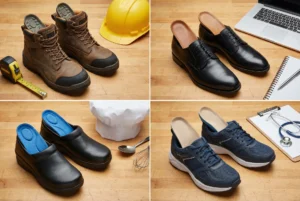

Indoor shoes for orthotics deserve the same attention as the footwear you wear outside. You may have carefully fitted walking shoes, yet spend your evenings cooking, doing laundry and moving around the house in a pair that cannot accommodate your prescribed inserts.
The useful question is not whether everyone should wear shoes at home. It is whether your indoor footwear works for your feet, your routine and any advice you have already received. A comfortable, practical setup should be easy enough to use on an ordinary Tuesday.
At Custom Orthopedic & The Walk Shoppe in Edmonton, we believe understanding the why behind footwear choices makes shopping easier. This guide explains what to bring to a fitting, how to compare indoor options and when a problem needs professional attention.
Start With the Hours You Actually Spend at Home
Think through an evening rather than picturing a single walk across the kitchen. Do you stand while preparing dinner? Carry washing downstairs? Work at a standing desk? Help children get ready before leaving the house?
Those details give a fitter a clearer brief than asking for the most comfortable slipper. Write down which activities you want the footwear to handle and which rooms you use most. Include stairs, floor surfaces and any difficulty putting shoes on.
The Pedorthic Association of Canada’s home foot-health guidance discusses how a change from regularly wearing supportive footwear to spending more time barefoot can affect comfort. That does not mean an ache establishes a diagnosis. It gives you a useful reason to review a changed routine with your provider.
If you already have an individual wearing plan for your orthotics, bring it to the discussion. The indoor arrangement should fit that plan rather than replace it with a general internet rule.
Can Indoor Shoes Accommodate Custom Orthotics?
Some can, but compatibility needs to be checked with the actual shoes and devices. An insert that works in your outdoor walking shoes may not fit the shape or available space of a house shoe.
Start by asking your provider whether your existing orthotics are appropriate for the indoor pair you are considering. Our custom orthotics service page explains the broader assessment process. Buying another pair of devices should be a separate decision from finding footwear.
At the fitting, demonstrate how you normally transfer the inserts. Ask the fitter to show you the intended placement and identify any original liner that should be removed. Take a simple note so you can reproduce the arrangement later.
Do not trim a prescribed device, bend it or force it into a shorter shoe. A difficult fit is information to bring back to the provider, not a home alteration project.

Compare Shoes, Slippers and Sandals by Their Fit
Product names can hide important differences. Two items sold as supportive slippers may have very different fastenings, heel shapes and internal space. Compare the construction you can see and the fit you can demonstrate.
A Dedicated Indoor Walking Shoe
A clean pair reserved for home is worth discussing if you want a familiar style with an adjustable closure. Bring your current walking shoes as a reference, but do not assume buying the same size guarantees the same result in another model.
A Structured House Shoe
If you prefer a house-shoe appearance, ask which options can accommodate your particular insert. Practise putting the pair on and fastening it yourself. A shoe that fits during the appointment but is impractical to use at home is an incomplete solution.
An Indoor Sandal
Some people prefer sandals for convenience. Ask specifically whether the model is intended for a separate orthotic or uses its own footbed. Our guide to orthotics and sandals explores that separate fitting conversation.
Check Interior Space Before Moving Up a Size
More length is not the answer to every tight shoe. Describe where the pressure appears: over the toes, beside the forefoot, across the instep or around the heel.
A removable liner and adequate room can make accommodating an orthotic easier. Guy’s and St Thomas’ NHS footwear guidance highlights the importance of sufficient depth when wearing insoles. Ask the fitter to check the whole combination with your foot inside.
For a fuller explanation, read our wide versus extra-depth shoe guide. Width and depth address different dimensions, so tell the fitter what changes when the insert goes in.
For example, if your toes have space but the top of the shoe becomes difficult to fasten, explain that exact sequence. Comparing another model may be more informative than automatically trying a longer version of the same shoe.
Give the Heel and Closure Their Own Check
It is easy to concentrate on soft padding and forget to notice how the shoe stays on. During the fitting, describe any lifting at the heel or need to repeatedly reposition your foot.
Compare the closure while seated, then stand and walk in both shoes. Can you fasten it comfortably yourself? Does it remain secure without making another area feel squeezed? Is the fastening practical with your usual socks?
The Pedorthic Association of Canada’s footwear-selection advice identifies heel fit, adjustable lacing and matching shoe shape to foot shape as useful considerations. Treat those as starting points for a fitting, not a checklist that proves a particular product suits everyone.
If bending to reach your feet is difficult, mention it before choosing a style. Ask to compare accessible closure options during the appointment rather than discovering the difficulty after purchase.
Plan for Socks, Warmth and Everyday Use
Bring the socks you expect to wear at home. If you alternate between a thin pair during the day and a thicker pair in the evening, tell the fitter and ask whether both work with the proposed shoes.
Think about care as well. Read the manufacturer’s cleaning instructions and ask how the footwear should be dried. Follow the separate instructions provided for your orthotics rather than assuming both items can be washed together.
Keep the indoor pair somewhere easy to reach after removing outdoor footwear. A small chair by the entry can make the change more convenient if sitting helps you put shoes on safely.
There is no need to turn the hallway into a footwear laboratory. The aim is a repeatable routine: the right pair, the intended inserts and a clear place to keep them.
Consider Home Safety Alongside Footwear
Shoe choice is only one part of moving safely at home. Wet floors, clutter, loose mats and poor lighting still matter, regardless of what is on your feet.
MyHealth Alberta’s falls-prevention advice recommends well-fitting, supportive, low-heeled footwear and non-skid footwear indoors. It also emphasizes keeping walkways clear, floors dry and the home well lit. Footwear does not make a hazardous surface safe.
If falls or balance are a concern, discuss the full picture with your healthcare team. Bring up any mobility aid you use and any difficulty managing stairs or changing shoes.
Our senior foot-health and fall-prevention article provides related reading. Use it to prepare questions, especially if someone is helping you shop or organize a safer home routine.
Make the First Trial Useful
Before purchasing, ask about the return or exchange policy, including whether an indoor trial is allowed and what conditions apply. Keep the packaging and avoid assuming a policy you remember from another retailer applies here.
Choose an initial trial when you can stop and change footwear. Try an ordinary task such as preparing a snack rather than making a long evening of chores the first meaningful test.
Keep a short record of the pair worn, the socks used and any area of pressure. Note whether a problem appears immediately or later. That gives the provider something more useful than a general statement that the shoes felt wrong.
A home trial is an opportunity to notice fit, not a test of how much discomfort you can tolerate. Contact the fitter when the arrangement does not work as demonstrated.
Separate New Shoes From New Orthotics
If the orthotics are also new, follow the individual introduction schedule your provider gives you. NHS guidance on foot insoles recommends gradually increasing wear rather than immediately using new devices all day.
Tell the provider whether you are changing only the shoe or both parts of the setup. When several things change together, a clear record of what you wore helps make the follow-up conversation more precise.
If the inserts are established but the indoor shoes are new, ask whether their fit needs a separate check. Familiar orthotics do not establish compatibility with unfamiliar footwear.
Likewise, an older insert does not automatically need replacing because you are shopping. Our guide to when orthotics need adjustment or replacement explains questions to bring to a review.
When a Footwear Question Needs Healthcare Advice
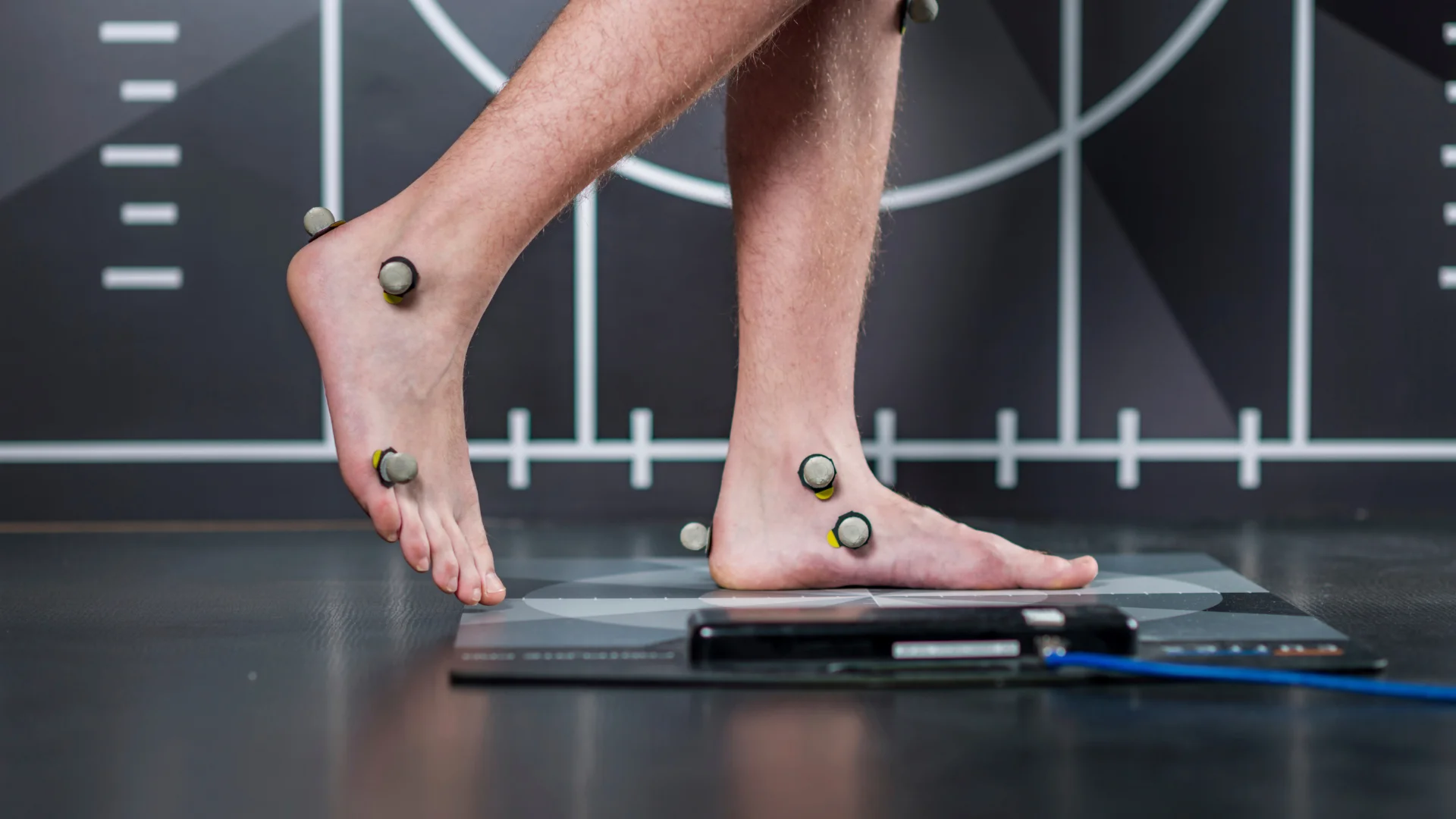
New pain, persistent skin irritation or a change in walking should not be dismissed as an ordinary part of getting used to shoes. Arrange an assessment when you are unsure what is causing the problem.
People with diabetes or reduced sensation should follow their healthcare team’s footwear and foot-check instructions. The NIDDK’s diabetes foot-care guidance explains why injuries may go unnoticed when sensation is reduced. A shoe feeling comfortable is not, by itself, a complete safety check.
Seek prompt medical advice for a new wound, spreading redness, marked swelling or a hot, swollen foot, particularly with diabetes. Severe pain or inability to bear weight also warrants timely medical assessment rather than another shopping experiment.
Questions to Bring to an Indoor Shoe Fitting
Write down your priorities before the appointment. That might be easy fastening, compatibility with current orthotics or a practical pair for a home office. Explain which requirement matters most.
- Can you check these shoes with my actual orthotics and usual socks?
- Which liner stays in, and which comes out?
- Does the heel remain secure when I walk?
- How should I introduce and care for this particular setup?
- What should I do if pressure develops during the trial?
Bring one pair that works and one that does not, if available. Comparing real examples often makes your description clearer. You can also read our first pedorthist appointment guide before visiting.
Keep a Simple Record for Future Shopping
Once you have found a useful combination, record the shoe model, size and width alongside the orthotics you used during the fitting. Keep that information with your purchase receipt. It becomes a reference for the next visit, rather than a promise that every future pair in the same size will fit.
If you later change socks, devices or footwear, update the note. When something feels different, you can explain what changed instead of trying to reconstruct several months of wear from memory. You may also want to keep a photo of the successful setup for your own reference, especially if someone helps you transfer inserts between pairs.
Ask the fitter which details are worth remembering. A brief, accurate record is more useful than collecting product claims that do not describe your own feet or daily routine.
Common Questions About Indoor Shoes for Orthotics
Do I Need a Second Pair of Orthotics?
Not automatically. Ask whether your current devices are suitable for the proposed indoor shoes. Convenience, fit and individual treatment requirements are separate considerations; discuss them before deciding on another pair.
Can I Just Add an Orthotic to My Slippers?
Have the combination checked first. The slipper needs appropriate space and a way to hold your foot and the insert securely. An insert fitting inside an empty slipper does not demonstrate a successful fit.
Should Everyone Stop Walking Barefoot?
There is no single rule for every person and activity. Discuss your symptoms, routine and prescribed wearing plan with your clinician. Individual advice matters more than a universal footwear slogan.
Find Indoor Footwear Advice in Edmonton
At Custom Orthopedic & The Walk Shoppe, we can discuss your footwear needs and assess the shoes and orthotics you bring. Browse our footwear brands and fitting information, then prepare your everyday examples and questions.
Visit 10536 102 Avenue NW, Edmonton, or call 780-426-3338. Use our contact page to ask about arranging a fitting. The goal is a home footwear routine that is comfortable, practical and appropriate for you.
This article provides general footwear information and does not replace individualized medical advice.