Pregnancy is a time of profound transformation. As you prepare to welcome a new member to your family, your body undergoes a series of incredible, complex changes to accommodate growing life. While most expecting mothers in Edmonton are well-prepared for the morning sickness, the food cravings, and the inevitable lower back aches, there is one area of the body that often gets completely overlooked until it starts to hurt: your feet.
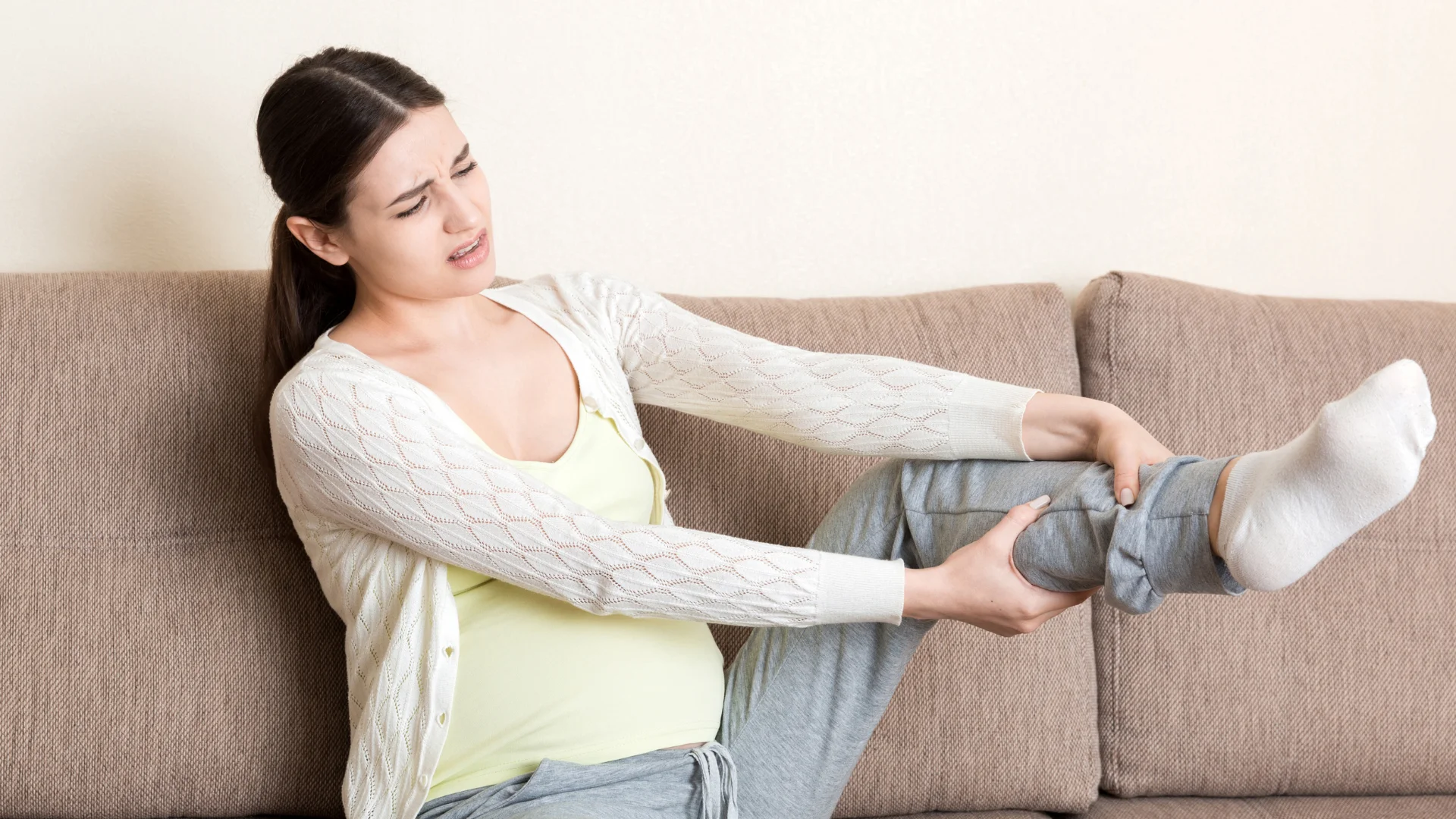
It is a common misconception that foot discomfort is just a standard, unavoidable side effect of carrying extra weight. In reality, the biomechanical changes happening to your lower body are highly specific, chemically driven, and structurally significant. If left unaddressed, foot pain during pregnancy can drastically reduce your mobility, making simple tasks like grocery shopping or taking a short walk through the River Valley feel like monumental hurdles.
At Custom Orthopedic, we believe that understanding why your feet are changing is the first step to finding relief. Here is your comprehensive guide to the biomechanics of pregnancy, how it alters your foundation, and the proactive steps you can take to stay comfortable and supported for all nine months—and beyond.
1. The Invisible Culprit: Relaxin and Biomechanical Shifts
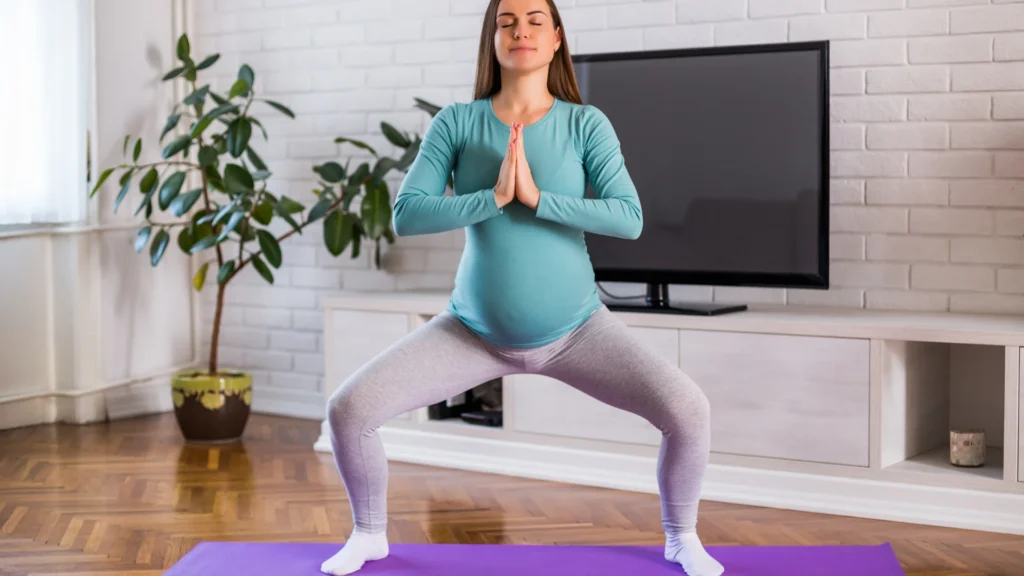
To understand foot pain during pregnancy, we first have to talk about a hormone called relaxin.
Starting in the first trimester, your body begins to produce relaxin in higher quantities. The primary biological purpose of this hormone is exactly what it sounds like: it relaxes the ligaments in your pelvis, allowing them to stretch and widen to accommodate the growing baby and eventually facilitate childbirth.
However, relaxin is not a smart-targeting hormone. It does not solely affect your pelvic region; it circulates throughout your entire bloodstream, reaching every joint and ligament in your body. This includes the intricate network of more than 100 ligaments in your feet.
As these ligaments become loose and pliable, the structural integrity of your foot is compromised. When you combine this newfound joint laxity with the natural, healthy weight gain of pregnancy, your feet are subjected to a perfect storm of downward pressure and weakened support.
2. The “Flattening” Effect: Why Your Arches Disappear
The most noticeable structural change caused by the combination of relaxin and weight gain is the collapsing of the arches, a condition medically known as pes planus.
Before pregnancy, your plantar fascia and surrounding ligaments acted like a tight suspension bridge, keeping your arch elevated and absorbing the shock of your footsteps. During pregnancy, as those “cables” loosen, the bridge begins to sag under the extra weight. You may notice that your footprint looks wider and flatter when stepping out of the shower.
This flattening leads to overpronation, where your ankles roll inward toward each other when you walk. Overpronation places immense strain on the muscles of the foot and lower leg, leading to rapid fatigue. If you are noticing this structural shift, it is essential to understand the condition. We highly recommend reviewing our guide: Pes Planus Uncovered – 5 Steps To Strengthen Your Feet.
3. Did My Feet Actually Grow?
(The Changing Shoe Size Phenomenon)
It is one of the most common complaints we hear from new mothers: “None of my pre-pregnancy shoes fit anymore!” Many women assume their feet have simply gotten “fatter” due to weight gain or swelling. While edema (swelling) plays a role, the truth is that your feet may have actually grown longer and wider.
When the arch of your foot collapses and flattens out, the foot naturally elongates. A higher arch pulls the toes closer to the heel; a flat arch pushes them further apart. This structural elongation can add up to a half or even a full shoe size. For many women, this change is permanent, remaining even after the baby is born and the relaxin leaves their system.
Trying to squeeze your newly elongated, widened feet into your old, narrow shoes is a recipe for disaster. Tight toe boxes compress the metatarsal bones, which can pinch the nerves and lead to sharp, burning pain in the ball of the foot. If you are experiencing this, you can learn more by reading our 10 Essential Steps To Alleviate Morton’s Neuroma Pain. Additionally, the pressure from tight shoes can accelerate the development of bony bumps on the side of the big toe; learn how to manage this via our Effective Steps To Treat Bunions.
4. The Kinetic Chain: The Foot-Knee-Back Connection
Lower back pain is often accepted as an inevitable part of pregnancy due to the shifting center of gravity. As your belly grows forward, your lower spine curves inward to compensate.
However, much of the knee, hip, and lower back pain experienced by expecting mothers actually originates from the ground up. This is known as the kinetic chain.
When your arches flatten and your feet overpronate (roll inward), it forces your tibia (shin bone) and femur (thigh bone) to rotate internally. This inward rotation misaligns the knee joint and tilts the pelvis forward, placing severe, compounding stress on your lower back.
If your back is aching after a short walk, your footwear might be failing to support your altered alignment. Correcting the foundation can often alleviate pain further up the chain. For a deeper dive into how this works, read The Foot-Knee-Back Connection – How Orthotics Help Your Entire Body and look out for the 5 Signs Your Feet Are Messing Up Your Knees, Hips, or Back.
5. Edema: Managing the Swell
Alongside structural changes, almost all pregnant women experience edema, or swelling, particularly in the third trimester.
During pregnancy, your body produces roughly 50% more blood and bodily fluids to meet the needs of the developing baby. Gravity dictates that much of this excess fluid pools in your lowest extremities: your feet and ankles. This swelling can make your skin feel tight, hot, and highly uncomfortable, further contributing to foot pain during pregnancy.
While elevating your feet at the end of the day is helpful, proactive management during the day is crucial. This is where medical-grade compression garments become your best friend. Proper compression socks gently squeeze the legs, assisting your circulatory system in pushing that excess fluid back up toward your heart, reducing swelling and the feeling of heavy, tired legs. You can also explore our 10 Key Steps To Treat Edema Associated With Flat Feet for more relief strategies.
6. How to Support Your Feet During Pregnancy
Understanding the biomechanics is empowering, but taking action is what provides relief. You do not have to endure foot pain during pregnancy in silence. Here are the most effective, practical steps you can take to support your changing body.
Reassess Your Footwear Wardrobe
It is tempting to live in easy-to-slip-on ballet flats, unsupportive sandals, or fuzzy boots during pregnancy, especially when bending over to tie laces becomes a physical impossibility. However, these shoes offer zero arch support and zero shock absorption.
Furthermore, shoes without a back (like slip-on mules or flip-flops) force your toes to constantly “grip” the bottom of the shoe to keep it from falling off. Over nine months, this repetitive gripping can lead to toe deformities and cramping. Learn how to prevent this in our guide on Quick Steps To Strengthen Foot Health And Combat Mallet Toes.
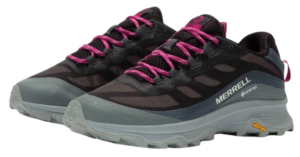
Instead, look for supportive walking shoes with a firm heel counter, a wide toe box, and an easy-closure system like Velcro or elastic speed-laces if tying becomes too difficult.
Invest in Custom Orthotics
If your arches are dropping due to relaxin, off-the-shelf drugstore insoles will likely compress under the added weight of pregnancy.
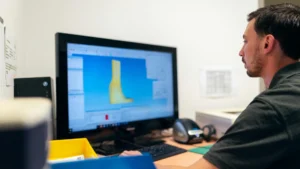
Custom orthotics are precisely molded to your feet. They act as an external scaffold, holding your foot in its proper, neutral alignment even when your ligaments are too relaxed to do the job themselves. By preventing the arch from collapsing, custom orthotics prevent the foot from elongating, stop overpronation, and halt the chain reaction of pain traveling up to your lower back.
If you are wondering whether professional inserts are worth the investment right now, we break down the pros and cons in Custom Orthotics vs Off-the-Shelf Insoles – What’s Worth It.
Prepare for the Morning Ache (Plantar Fasciitis)
Because the plantar fascia ligament is under constant strain from the flattened arch and added weight, many pregnant women develop plantar fasciitis. This presents as a sharp, stabbing pain in the heel when taking your first steps out of bed in the morning.
Do not walk barefoot on hard hardwood or tile floors, especially first thing in the morning. Keep a pair of supportive, structured house slippers or recovery sandals right next to your bed. If you are experiencing this morning heel pain, it is vital to read Heel Pain in the Morning? You Might Have Plantar Fasciitis.
Listen to What Your Feet Are Telling You
Pregnancy is demanding. If you experience sudden, severe, asymmetrical swelling (one foot swells significantly more than the other), or if your feet are chronically cold or changing color, consult your healthcare provider immediately, as these can be signs of more serious circulatory or blood pressure issues. Always pay attention to what your feet are telling you.
Support Your Foundation, Support Your Family
Growing a family is a beautiful, exhausting journey. While you are busy preparing the nursery, reading parenting books, and taking care of your health, do not forget the foundation that carries you through it all. Addressing your changing foot structure early on can prevent chronic pain, allowing you to enjoy your pregnancy and stay active as you prepare for your new arrival.
If your shoes are suddenly pinching, or your arches are aching after a trip to the grocery store, we are here to help. At Custom Orthopedic & The Walk Shoppe, we specialize in keeping Edmonton families moving comfortably. If you are curious about the evaluation process, you can read exactly what happens during a custom orthotics fitting.
Would you like me to help you schedule a biomechanical assessment so we can see exactly how your arches and alignment are changing during your pregnancy?