Breaking in custom orthotics should begin with a clear plan, not a decision to wear them for the longest possible day. New inserts can feel unfamiliar, and the first weeks are an opportunity to check your shoes, understand the instructions and communicate anything that is not working.
The goal is a useful routine that suits your prescribed devices and daily activities. It is not to prove that you can tolerate pressure or ignore pain until a particular date on the calendar.
This guide from Custom Orthopedic & The Walk Shoppe in Edmonton explains how to prepare for those first weeks. Use it alongside the advice from the professional who assessed and fitted your orthotics.
Get Your Individual Wearing Instructions First
Before leaving the fitting, ask how long to wear the orthotics initially, how to increase that time and which activities to introduce first. Write down the answer or request instructions you can keep.
General advice supports a gradual introduction. The Royal National Orthopaedic Hospital’s foot-orthosis guide explains that insoles may change the way you walk and should be introduced progressively. However, different providers use different schedules, reflecting different devices and needs.
That variation is a reason to follow your own plan. Do not combine the fastest parts of several online schedules or assume a friend’s experience tells you how your devices should feel.
If you did not receive clear instructions, contact the provider before making a full work shift the first trial. A short clarification can resolve uncertainty about the intended use.
Ask What the Orthotics Are Intended to Do
Understanding the purpose helps make follow-up more useful. Ask which symptoms or activities the recommendation addresses and what changes the provider wants you to report.
For example, your aim might involve comfort during everyday walking, accommodating pressure in a particular area or supporting a specific activity. Those are different conversations from simply asking whether the inserts feel firm.
Our custom orthotics service page describes assessment, footwear review and on-site manufacturing. The device should be considered alongside the shoes and activities you actually use.
Ask when progress will be reviewed and how to get in touch between appointments. Knowing the next step can make it easier to report a question early instead of waiting until a small fit concern disrupts your routine.
Check the Shoes Before Starting the Trial
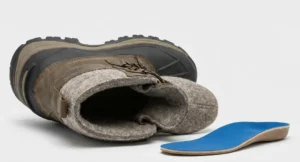
Use the footwear assessed at the fitting where possible. Ask whether the original liner should be removed and have the provider demonstrate the intended arrangement.
Try replacing the devices yourself before leaving. Notice which insert belongs in each shoe and whether it sits as demonstrated without being forced into the toe area or lifting at the heel.
Our guide to width and depth in shoes for orthotics explains why extra length is not the solution to every pressure problem. If the upper becomes tight when the insert is added, describe that specific change.
Bring the socks you normally wear. A fitting with thin socks may not answer your question about a pair you intend to use with much thicker ones through an Edmonton winter.

Make the First Sessions Easy to Observe
Choose a time when you can stop, remove the shoes and change footwear if needed. Follow your prescribed schedule rather than treating a quiet first session as permission to skip ahead.
Prepare the items you will need before starting: the correct shoes, usual socks, care instructions and a simple way to note the time. There is no need for an elaborate tracking app.
A useful note might record the shoes worn, approximate wearing time and any specific area of pressure. That is more informative than deciding at the end of the week that the entire experience was good or bad.
Try to describe observations rather than assign a cause. Saying that pressure developed under the left arch in one particular pair gives your provider a clearer starting point than assuming the orthotic is the wrong shape.
Keep Normal Activities and New Variables Separate
If you are introducing new orthotics and new shoes together, tell the provider. Ask how they want you to manage that combination and which footwear should be used first.
Consider postponing other optional changes until you understand the setup. Switching socks, shoes, activity duration and devices at once makes it difficult to explain which change affected comfort.
This is a record-keeping principle, not a treatment schedule. Your clinician may have specific reasons to introduce several changes together, so follow the individual instructions they give you.
For a practical comparison, keep one written entry for each shoe-and-device combination rather than describing all footwear as one experience. Bring that record to the review if you need help troubleshooting.
Do Not Confuse Unfamiliar With Something to Ignore
People describe new devices in different ways: more noticeable under the arch, different from a soft shop-bought liner or simply unfamiliar while walking. Tell the provider what you notice and ask which sensations they expect with your design.
Persistent pain, rubbing or skin damage should not be dismissed as proof that the orthotics are working. Dorset HealthCare’s insole guide advises stopping and contacting the orthotics service if pain or discomfort develops.
Ask your provider what to do if a problem appears outside opening hours and which symptoms require medical assessment. Clear instructions matter more than a general promise that every new insert will settle down.
If you have diabetes, reduced sensation or a history of foot wounds, follow the skin-check and footwear instructions from your healthcare team. Feeling no pain does not by itself confirm a safe fit.
Plan Around Work Without Turning It Into a Test
A long shift can make gradual introduction difficult. Raise that issue before collecting the devices, especially if you cannot easily change shoes or leave your workstation.
Explain your schedule, workplace footwear requirements and the time spent standing or walking. Ask how to apply the prescribed plan to that actual situation rather than improvising on the first busy morning.
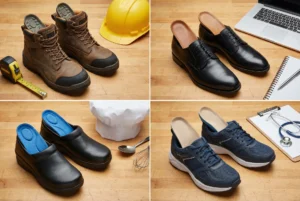
For specific footwear considerations, our work-boot orthotics guide provides related reading. Safety requirements still apply, and any proposed footwear change needs to remain suitable for your job.
Keep a familiar, appropriate alternative available if your provider recommends it. Ask what to wear when the trial time ends or if you need to stop because of discomfort.
Introduce Home Footwear Deliberately
Do not assume your new devices can move straight from walking shoes into every slipper or sandal in the house. Each combination needs enough room and a secure fit.
Our indoor shoes for orthotics guide explains what to bring when discussing home footwear. Ask whether the proposed pair should be included in the initial wearing plan or reviewed separately.
Keep the routine simple enough to repeat. Store the appropriate shoes where you can reach them and retain the original liners so you do not lose track of which arrangement belongs to which pair.
If someone helps you put footwear on, include them in the demonstration when practical. They should understand the same instructions rather than trying to reconstruct the fitting from a brief description later.
Keep Care Instructions With the Devices
Different materials may need different care. Follow the instructions for your own orthotics, including how to clean and dry them and when to remove them for inspection.
Do not use direct heat, glue, extra padding or home alterations to solve a fit concern without your provider’s advice. Ask about a lifting edge or worn covering before trying to make it look tidy yourself.
Kent Community Health’s orthotic instructions provide general information on introduction and care. They are useful background, while your own provider’s directions should guide the particular devices supplied to you.
When you notice a change, note what happened and bring both inserts to the appointment. Include any detached piece if something has separated so the provider can see the complete problem.
Prepare for a Useful Follow-Up Appointment
Bring the devices, shoes and socks associated with the concern. If one pair works well and another does not, bring both rather than relying on memory.
Explain when you first noticed the issue, how long the devices had been worn and what activity you were doing. Mention changes in health or other advice from your healthcare team.
Ask whether the recommendation concerns footwear, the device, the introduction schedule or another assessment. You do not need to decide that before arriving.
Before leaving, confirm what has changed, what to try next and how to report back. A follow-up should produce a clearer plan, not simply a request to keep wearing an unexplained uncomfortable combination.
A Simple Example of a Useful Wearing Diary
Imagine that you are comparing the walking shoes checked at your appointment with an older pair you would like to use at home. Record the combinations separately and follow the provider’s advice about whether both should be included in the introduction period.
An entry could read: “Monday, walking shoes, normal socks, prescribed trial time. No rubbing noticed. Unsure whether the original liner should remain in the left shoe.” That last question needs clarification before changing the arrangement yourself.
Another entry might identify pressure at the top of the foot in the older shoes. This observation does not establish that the orthotic needs changing. It tells the fitter which footwear to inspect and which part of the fit deserves attention.
Include what you did after noticing a problem, such as stopping the trial and contacting the provider. Do not use the diary to justify repeating a painful experiment until you have collected more data.
The useful result is a short, factual account that you can discuss. You do not need a pain score for every step, a photograph of every shoe or a complicated spreadsheet. Accurate details about the actual setup are enough to support the next conversation.
Questions About Breaking In Custom Orthotics
How Many Days Should It Take?
There is no single deadline that applies to every person or device. Ask for an individual schedule and review point. Do not treat another person’s successful timeline as a requirement for your own feet.
Should I Wear Them All Day If They Feel Fine?
Follow the introduction schedule you were given even when early sessions feel comfortable. If the instructions are unclear, contact the provider before increasing wearing time beyond the plan.
Can I Move Them Into Dress Shoes?
Have the actual footwear checked first. Our dress-shoe fitting guide explains why available room, heel fit and the device design matter when transferring orthotics.
Does Discomfort Mean I Need a Replacement?
Not necessarily. Ask for a review of the shoes and devices together. An adjustment, a footwear change or further assessment may be appropriate; discomfort alone does not identify which answer is right.
Keep a Short List of Questions Between Visits
Questions often appear after you have returned home and repeated the routine yourself. Keep them in one place so you can raise them together rather than trying to remember each detail at the next appointment.
Separate a practical question, such as which liner to remove, from a symptom that needs timely advice. Do not delay reporting pain or skin damage simply because you have not finished writing a complete list.
For practical matters, describe the step that is unclear. You might ask how to identify left and right devices, which pair of shoes to use at work or where to store the inserts while drying them.
This simple preparation keeps follow-up focused. It also gives the provider an opportunity to check your understanding of the plan before you return to longer days or a different activity.
Discuss Your First Weeks With Custom Orthotics in Edmonton
At Custom Orthopedic & The Walk Shoppe, we can discuss the footwear and devices you bring and review questions about fitting and adjustments. Read our appointment preparation guide if you are planning a first visit.
Visit 10536 102 Avenue NW, Edmonton, call 780-426-3338, or contact us about a fitting or review. Good preparation means knowing what to wear, what to watch for and how to get advice when the arrangement needs attention.
This article provides general information and does not replace individualized medical advice or the wearing instructions for your prescribed devices.