Diabetes and winter foot care belong in the same conversation when you are preparing boots, thicker socks and indoor footwear for the colder months. Warmth matters, but so do fit, daily checks and a clear plan for dealing with a new mark or sore.
A winter shopping checklist should support your existing diabetes care plan. It should not replace advice about circulation, sensation, wounds or prescribed footwear. If you are unsure of your foot-risk level, ask your healthcare team before making changes.
This guide from Custom Orthopedic & The Walk Shoppe in Edmonton focuses on practical preparation: what to bring to a fitting, how to organize the footwear you use and which concerns need medical attention.
Start With Your Individual Foot-Care Plan
People living with diabetes do not all have the same footwear needs. Reduced sensation, circulation problems, previous wounds and changes in foot shape can affect the advice your healthcare team gives you.
The CDC’s diabetes foot-care information explains why a person may not notice an injury when sensation is reduced. This is one reason comfort alone cannot confirm that a boot or shoe is suitable.
Before shopping, gather any current footwear instructions, prescriptions or wound-care directions. Ask whether there are activities, materials or devices that need special consideration in your case.
If you are already using prescribed shoes, offloading equipment or a specific insert, discuss winter arrangements with the treating team. Do not substitute an ordinary warm boot because it looks roomy or is easier to find.
Make Daily Foot Checks Part of the Winter Routine
Check your feet as directed by your care team, including the areas that are difficult to see. A mirror or help from someone you trust can make the practical task easier.
Notice new skin changes and report concerns according to your clinical instructions. Keep the contact details for your usual provider somewhere accessible so you do not have to search for them when a question arises.
For Alberta-specific guidance, MyHealth Alberta’s moderate-risk foot-care advice covers daily checks, footwear and follow-up. Your clinician should determine which risk category and instructions apply to you.
Choose a consistent time that fits your day, such as after removing evening footwear. Consistency makes the task easier to remember, but a new concern should be addressed when noticed rather than saved for the next routine check.
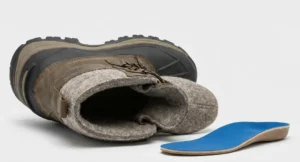
Inspect the Inside of Boots Before Putting Them On
Look and feel inside the footwear for debris, a folded lining or another irregularity. The NIDDK’s diabetes foot-protection guidance includes checking shoe interiors, wearing protective footwear and protecting feet from hot and cold conditions.
Keep the routine practical. Place the boots somewhere you can inspect them comfortably, with adequate light and a chair if sitting makes the task easier. Ask for help if you cannot safely complete it yourself.
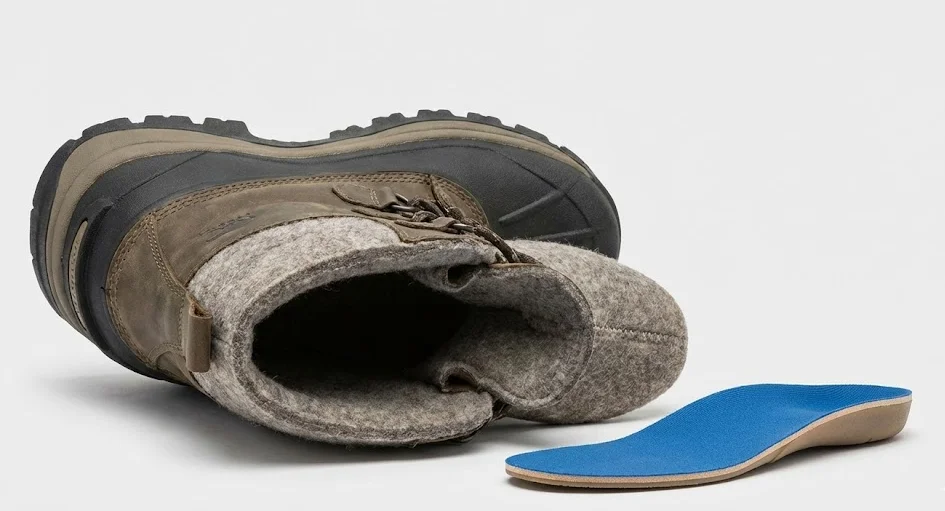
If you use orthotics, follow the placement instructions and ask how the interior should look with the devices in place. Keep original liners identified so they are not accidentally added back into a setup that was fitted without them.
A simple photograph of the demonstrated arrangement can be a personal reminder. It does not replace a fit review or tell you whether the footwear remains appropriate after something changes.
Fit the Boots With Your Actual Winter Socks
Bring the socks you intend to wear rather than asking the fitter to imagine their thickness. If you alternate between different socks, explain that and ask which combinations need checking.
A boot can have enough length but insufficient width or depth. Describe where it presses, whether the toes are crowded and how the fastening behaves with your foot and any prescribed insert inside.
MyHealth Alberta’s shoe-and-sock checklist for diabetes discusses roomy footwear, appropriate socks and in-person fitting. It is useful background for preparing the items you bring to an appointment.
Our guide to width and extra depth explains the separate dimensions in more detail. Do not rely on moving up one size as a universal solution.
Discuss Warmth Without Creating a Tight Fit
Explain how you will use the boots: a short trip between buildings, waiting outdoors or a longer outing. This helps the fitting conversation reflect the actual purpose rather than the warmest-looking pair on display.
Do not pack extra layers around a foot or device without having the resulting fit checked. More material inside changes the available space, even though the size printed on the boot remains unchanged.
If your feet remain unusually cold, change colour or develop new symptoms, raise that with a healthcare professional. A footwear purchase cannot establish whether circulation or another medical issue is involved.
The practical goal is a suitable combination of protection, fit and usability. Bring questions about your own health to your treating team and questions about the actual footwear to a qualified fitter.
Avoid Direct Heat as a Shortcut
Follow your healthcare team’s instructions for keeping feet warm. MyHealth Alberta advises against using hot-water bottles, heat bags or heating pads on the feet of people at risk of diabetic foot problems.
Plan your home routine so warmth does not depend on sitting against a heater or placing footwear beside a strong heat source. Keep separate care instructions for the shoes and orthotics, since their materials can differ.
If boots become wet, follow the manufacturer’s drying directions. Ask the provider how to care for a prescribed device rather than assuming the same method is appropriate for both the boot and the insert.
Use the winter preparation period to clarify these instructions before a busy morning or a trip. It is easier to make a useful plan when nothing needs to be rushed.
Plan the Change From Outdoor to Indoor Footwear
Removing snowy boots should not leave you without the indoor footwear recommended by your care team. Organize the change somewhere stable and convenient, with enough room to sit if needed.
Our indoor footwear guide explains questions about compatible shoes and devices. People with diabetes should apply the individual protection and foot-check advice they have received alongside any general fitting guidance.
Tell the fitter if bending, reaching a fastening or transferring inserts is difficult. A pair that can be put on during an appointment may still be inconvenient to manage several times a day at home.
If another person helps with footwear, ask whether they can attend the demonstration. Shared understanding of the intended arrangement is more useful than relying on a short description afterward.
Consider Slippery Surfaces Separately From Foot Fit
Good fit does not remove the risks of ice, wet entrances or uneven ground. Plan the route as well as the footwear, and choose an alternative outing when conditions make the usual route unsuitable.
MyHealth Alberta’s winter-walking tips discuss footwear grip and practical precautions. Traction devices may need to be removed indoors, so consider whether you can manage that change safely.
Ask your healthcare team about activity restrictions if you have an active wound, a recent injury or a specific offloading plan. An outdoor footwear guide should not be used to work around those restrictions.
Our winter-boot article offers general fitting background, while your individual care plan determines which options are appropriate for you.
Know Which Changes Need Prompt Medical Attention
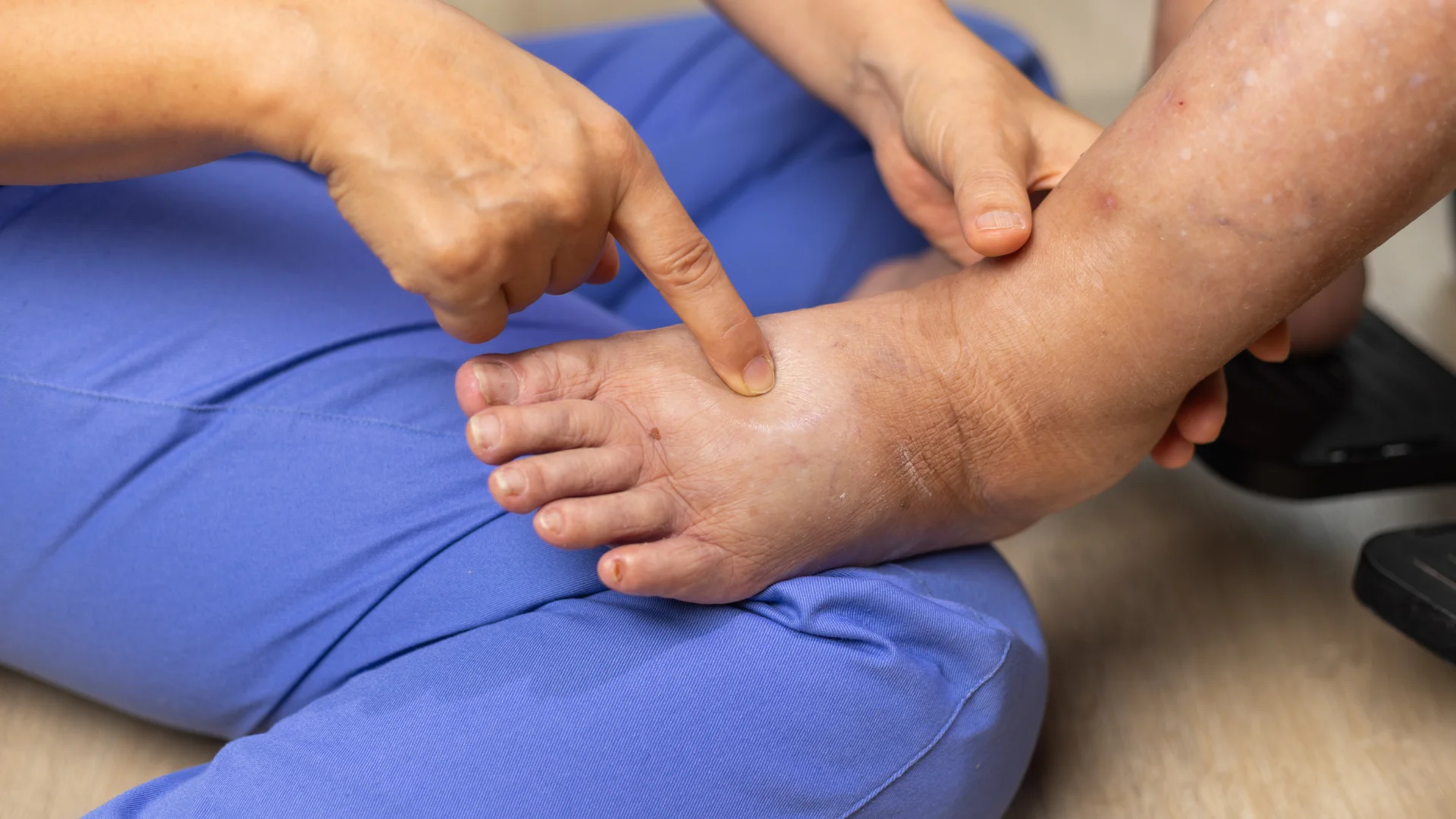
A new wound, marked swelling, spreading redness or a change in foot temperature deserves attention, particularly when sensation is reduced. Do not wait for pain to confirm that something is wrong.
MyHealth Alberta’s high-risk foot-care guidance identifies red, hot, swollen feet, cold or discoloured feet and draining sores among reasons for urgent assessment. Contact your healthcare provider promptly for same-day advice or urgent care when these signs occur.
Tell the clinician what you noticed and when it began. A photograph may help document a change, but sending a picture or arranging a footwear fitting should not delay needed medical assessment.
Keep the roles clear: footwear services can support an appropriate care plan, while diagnosis, infection management and decisions about medical treatment belong with the relevant healthcare professionals.
Do Not Turn a Corn or Callus Into a Home Project
If you notice recurring hard skin, ask your foot-care provider how to manage it. The CDC advises people with diabetes against removing corns or calluses themselves or using over-the-counter removal products.
Bring the shoes associated with the area to a fitting review as well. That allows the footwear conversation to address pressure and space while your healthcare team advises on skin care.
Our recurring foot-callus guide explains general fitting questions. Its shopping advice should not replace the specific precautions that apply when you have diabetes or reduced sensation.
Describe a new mark accurately rather than trying to make it look better before the appointment. Keeping the concern visible and reporting it early is more useful than concealing it with an improvised insert or pad.

Prepare a Winter Footwear Appointment Bag
Gather the footwear you actually use, not just the pair you think looks most presentable. Include the winter socks, current orthotics and any prescribed instructions relevant to the fitting.
Write down the practical problem in one sentence. Examples include difficulty fastening boots with thicker socks, uncertainty about transferring an insert or needing a protected indoor option after removing outdoor footwear.
Bring questions about costs and insurance, but verify your own coverage before purchasing. Our Alberta insurance guide explains why clinical need and reimbursement eligibility are separate questions.
Before leaving, ask what to wear, how to check the arrangement and who to contact if it becomes unsuitable. Clear next steps are part of a useful fitting conversation.
Keep Instructions Accessible During Busy Weeks
Winter often brings visits, appointments and changes to the usual routine. Keep the footwear instructions, provider contact details and the names of the devices you use together in a place you can find quickly.
If you are staying elsewhere, think about where you will inspect your feet, dry footwear and change from outdoor boots. Bring the appropriate indoor pair instead of relying on whatever happens to be available.
When someone helps you prepare, explain which details matter to you and which directions came from your healthcare team. Avoid replacing individualized instructions with a family member’s successful experience or a product recommendation from a friend.
Small practical preparations can make the care plan easier to follow. They do not require buying every item advertised for diabetic feet or assuming that a label establishes the correct fit.
Describe a Fitting Concern With a Concrete Example
Suppose the boots were comfortable last winter but become difficult to fasten after you change socks or receive new inserts. Bring the old and new combinations to the appointment rather than deciding in advance that the boot must be stretched or the device must be altered.
Explain the sequence: which change came first, where the pressure appears and whether you have noticed any skin change. Ask the fitter to check the available room while your healthcare provider advises on symptoms or skin concerns.
The same approach applies when shopping for replacements. Show what worked about the previous pair and what no longer works. That gives the appointment a practical purpose without treating a product description as evidence that a shoe is appropriate for every person with diabetes.
If there is a wound or a concerning change, arrange clinical advice first. A fitting comparison can follow the care plan once your treating team has explained the appropriate next steps.
Common Questions About Diabetes and Winter Footwear
Are All Warm Boots Suitable?
No single feature establishes suitability. Fit, interior condition, the intended socks and any prescribed device need to be considered alongside your individual diabetes foot-care requirements.
Should I Buy Extra-Large Boots for Thick Socks?
Have the complete combination assessed. A larger size may create other fitting problems without addressing the area that feels tight. Bring the socks and explain where space is needed.
Can Orthotics Replace Daily Foot Checks?
No. Follow the daily checks and clinical review plan your healthcare team recommends. A prescribed insert is one part of care and does not make a new wound or skin change unimportant.
Winter Footwear Advice in Edmonton
At Custom Orthopedic & The Walk Shoppe, we can discuss footwear and orthotic fitting within the advice from your healthcare team. Our diabetic footwear overview provides related background.
Visit 10536 102 Avenue NW, Edmonton, call 780-426-3338, or contact us about a footwear fitting. Bring your current instructions so the conversation reflects your actual needs.
This article provides general information and does not replace your diabetes care plan or individual medical advice. Seek prompt clinical assessment for new wounds or concerning changes.